AI-Powered Features Reshape Custom Odds in Football Betting Platforms
Written by Zoe Meier · Aug 21, 2026
AI-Powered Features Reshape Custom Odds in Football Betting Platforms
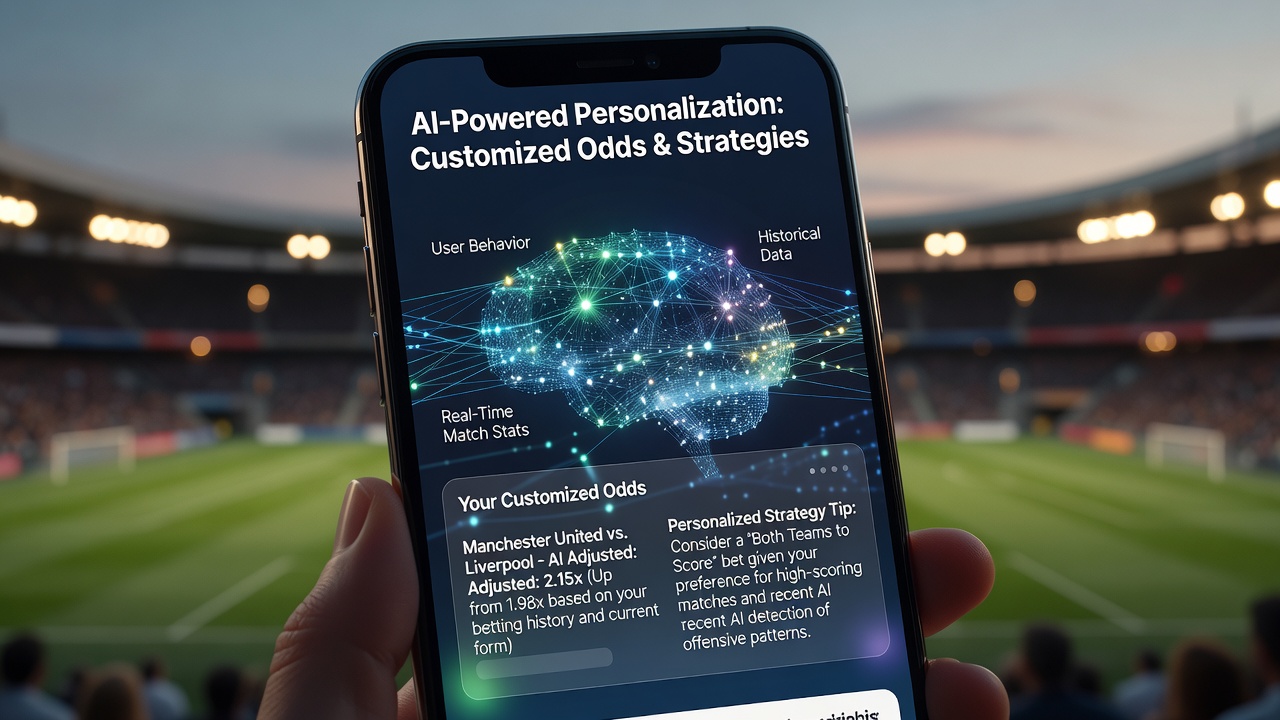
Artificial intelligence has moved into football wagering applications with systems that process user data to adjust odds and present individualized options, and these tools operate by examining betting histories alongside real-time match statistics. Observers note that platforms collect information on preferred leagues, stake sizes, and response times to previous offers, then apply machine learning models that refine suggestions during live events. As of August 2026 such features appear across multiple international markets where operators update interfaces several times per match to reflect shifting probabilities.
Data Processing Behind Personalized Odds
Algorithms examine large volumes of historical results, player performance metrics, and market movements while cross-referencing individual account activity, and this combination produces odds that differ from the standard lines shown to other users. Research indicates that models trained on anonymized datasets can identify patterns such as higher engagement with underdog selections or preference for specific time windows in matches. Those patterns allow the system to surface customized lines that align with observed habits without altering the underlying probability calculations shared across the platform.
Industry reports from the European Gaming and Betting Association highlight that operators have increased investment in these engines over the past two seasons because the technology reduces the time users spend searching for suitable markets. Figures reveal that sessions involving AI-adjusted odds often last longer than those using generic displays, yet the same reports emphasize that all outcomes remain governed by the same risk-management rules applied to every bettor.
User Strategies Supported by Tailored Recommendations
Applications now include strategy modules that draw on past performance to suggest staking approaches or market combinations, and these modules present options such as adjusted accumulator sizes or timing recommendations for in-play entries. One study from the University of Sydney's gambling research unit found that users who followed algorithm-generated prompts placed bets at more consistent intervals compared with those who selected markets independently. The findings also showed that the prompts incorporated live variables like injury updates and weather conditions when available through official data feeds.
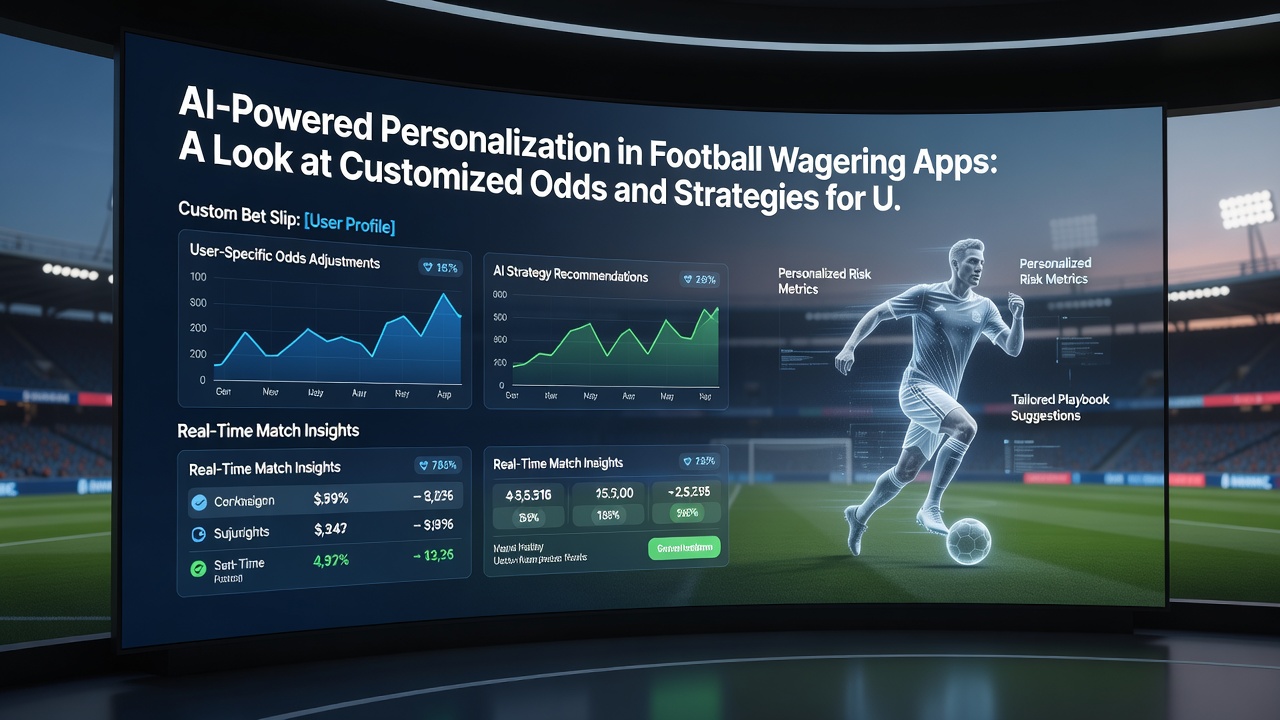
Because the recommendations update continuously, bettors receive notifications when a suggested line moves into a range that matches their recorded risk tolerance, and this process occurs without requiring manual recalculation. Data from regulatory filings in Australia demonstrate that similar personalization tools have expanded into football markets following successful trials in other sports, with operators required to maintain transparent records of how user profiles influence displayed content.
Regulatory Context and Technical Safeguards
Government agencies in multiple jurisdictions require operators to document the logic behind any automated recommendation system, and this documentation must confirm that no user receives information unavailable to the broader market. Compliance teams conduct periodic audits to verify that personalization layers sit on top of core odds engines rather than replacing them. Technical safeguards include encryption of profile data and limits on how long behavioral information remains active in the recommendation model before it is anonymized again.
Those who have examined these systems note that the same infrastructure supporting customized odds also powers responsible gambling features such as session reminders or deposit caps, and the dual application stems from shared data infrastructure rather than separate development tracks. Figures released by the Canadian Centre on Substance Use and Addiction indicate rising adoption of unified platforms that handle both personalization and harm-minimization tools within single codebases.
Conclusion
Football wagering applications continue to integrate AI components that adjust displayed odds and generate strategy prompts based on individual activity, and the approach relies on continuous data analysis balanced by regulatory oversight. Reports from various oversight bodies show steady growth in the number of operators deploying these tools across different regions while maintaining uniform core probabilities for all participants. The pattern suggests further refinement of the underlying models as additional datasets become available through expanded partnerships with data providers.