Algorithmic Forecasts: Bookmaker Models Transforming Football Predictions for UK App Bettors
Written by Devon Russell · Jul 21, 2026
Algorithmic Forecasts: Bookmaker Models Transforming Football Predictions for UK App Bettors
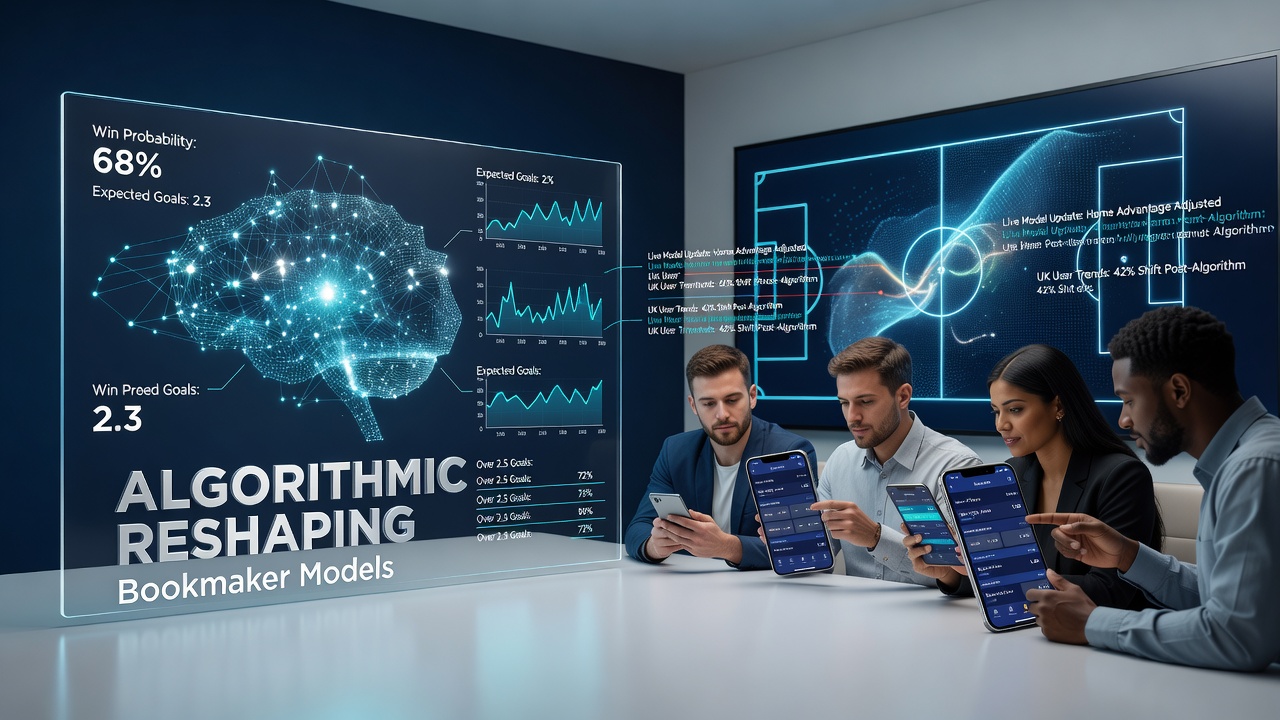
Bookmaker algorithmic models now process vast datasets to set and adjust football odds in real time, and these systems directly influence how users on UK betting apps interpret match outcomes and place wagers. Data inputs range from historical match results and player performance metrics to weather conditions plus injury reports, while machine learning techniques refine probability estimates that feed into live odds displayed on mobile platforms. Observers note that such models update continuously during matches, which creates shifting prediction landscapes for app users who rely on these figures to inform their decisions.
Data Inputs Driving the Models
Researchers at institutions across multiple regions have documented the breadth of variables that enter these calculations, and the American Gaming Association highlights how North American operators integrate similar statistical frameworks that parallel developments seen in European markets. Teams compile player tracking data from wearable sensors, team formation details, and even referee tendencies, then feed everything into neural networks that output adjusted probabilities for goals, corners, and cards. These outputs determine initial odds, after which algorithms recalibrate as new information arrives, such as a substitution or a change in possession statistics during a match.
Studies from the University of Sydney's gambling research unit reveal that models incorporating satellite weather data and pitch condition reports achieve higher accuracy in predicting low-scoring encounters, and UK app interfaces often surface simplified versions of these insights through visual indicators or probability bars. Bettors therefore encounter forecasts that already embed complex calculations rather than raw historical averages alone.
Real-Time Adjustments and App Integration
During July 2026 pre-season fixtures, several major operators rolled out enhanced live modules that push algorithmic revisions to users within seconds of events occurring on the pitch. The same models that generate pre-match lines continue operating throughout the ninety minutes, which means an early goal or a red card triggers immediate probability shifts that appear on app screens as updated percentages or revised betting options. Users who monitor these changes can align their own assessments with the refined outputs, although the underlying code remains proprietary to each bookmaker.
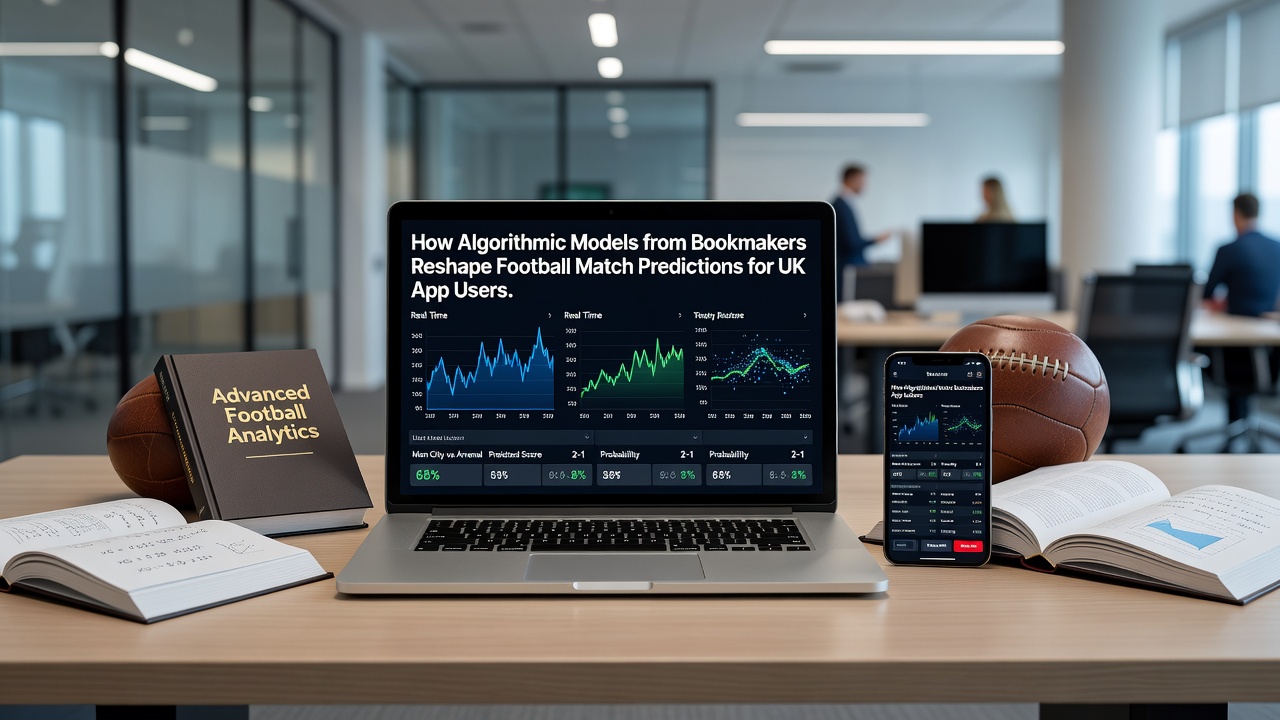
Industry reports from the Canadian Gaming Association indicate that cross-border data sharing agreements allow some operators to pool anonymized betting patterns, and this aggregated information further strengthens model robustness against sudden market swings. Consequently, UK app users experience tighter spreads on popular Premier League and Championship matches because the algorithms incorporate broader liquidity signals alongside traditional performance metrics.
Impact on User Decision-Making Patterns
Those who study app analytics observe that sessions involving algorithmic overlays last longer than those using static odds displays alone, since continuous updates encourage repeated checks for value discrepancies. Take one dataset released by an Australian research consortium that tracked mobile bettors across multiple leagues; participants who consulted model-derived probability meters placed more frequent smaller stakes rather than single large wagers, which aligns with the way these tools break complex matches into segmented predictions such as first-half goals or player-specific milestones.
App developers integrate these models through APIs that pull live feeds, and the resulting interfaces often include comparison tools that contrast bookmaker probabilities against independent statistical sources. Users therefore gain access to layered information that combines official lines with supplementary context, although the core algorithmic engine still originates from the bookmaker's own infrastructure.
Conclusion
Algorithmic models from bookmakers continue to evolve as computing power increases and data sources multiply, which means UK app users encounter increasingly granular forecasts that reshape how they evaluate football matches. The integration of real-time adjustments and multi-variable analysis has become standard across major platforms, and ongoing refinements ensure that predictions remain responsive to in-game developments. Observers across regulatory and academic circles expect further convergence between operator systems and third-party analytical tools in the years ahead.