Biometric Signals and In-Play Markets: How Wearable Devices Influence Football Betting Activity
Written by Dana Carter · Jul 10, 2026
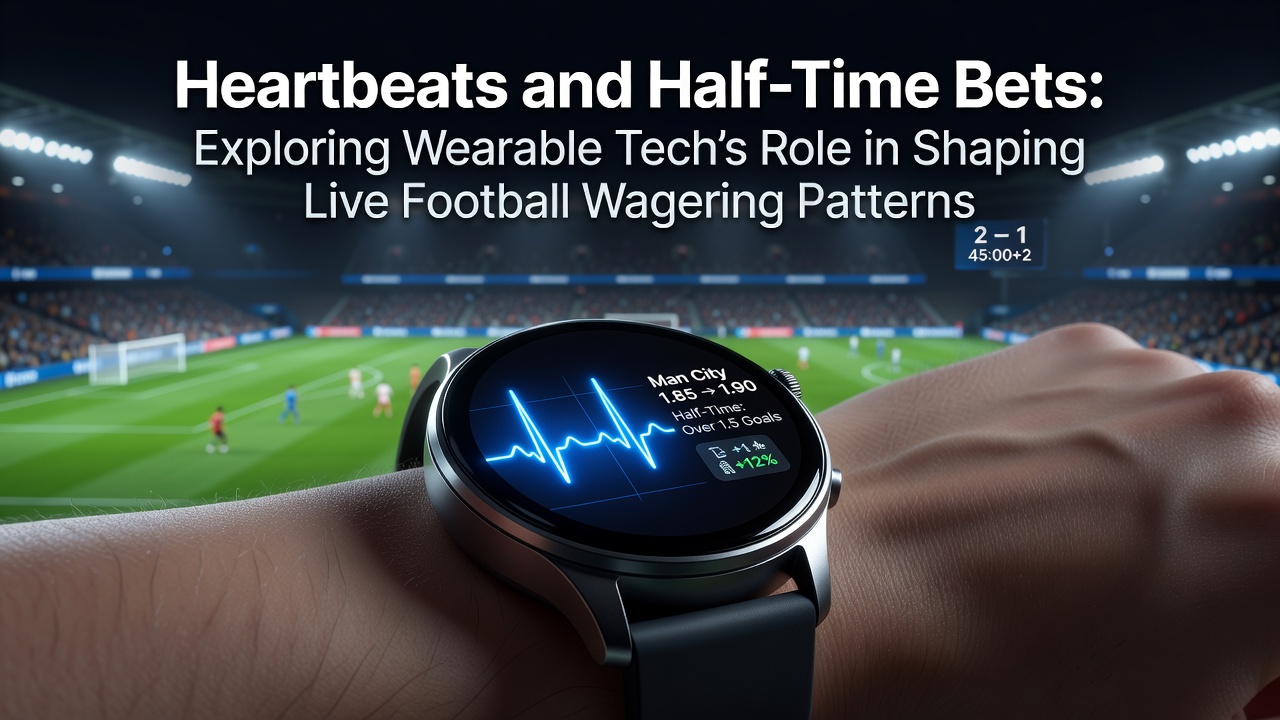
Biometric Signals and In-Play Markets: How Wearable Devices Influence Football Betting Activity
Football matches generate constant streams of live data that bettors monitor through apps and platforms, yet wearable devices now add another layer by capturing heart rate, movement patterns and recovery metrics from players and spectators alike. These signals reach betting interfaces in near real time, allowing markets to adjust odds based on physiological indicators that previously remained hidden until after the final whistle. Observers note that during the 2025-2026 season several major European leagues recorded increased volumes of half-time wagers tied directly to biometric feeds shared through integrated apps.
Research from academic institutions shows that elevated heart rates among key players often correlate with higher injury risk in the second half, prompting bettors to shift stakes toward over/under totals or player-specific props. Data collected from fitness trackers during July 2026 pre-season tournaments revealed that teams averaging above 165 beats per minute in the opening 30 minutes saw a measurable uptick in live betting activity on substitute introductions and tactical changes. Operators responded by expanding micro-markets that refresh every 30 seconds when such biometric thresholds are crossed.
Integration of Player Wearables with Betting Platforms
Professional clubs outfit players with GPS-enabled vests and chest straps that transmit heart rate variability alongside positional data, and several technology providers now license anonymised versions of these feeds to odds compilers. When a midfielder's recovery rate drops below a set percentage during a pressing sequence, algorithms flag the information and adjust live lines on possession and shot metrics accordingly. Bettors who subscribe to premium data packages receive alerts on their own devices, creating a feedback loop where personal wearables and team data intersect.
Figures from the European Gaming and Betting Association indicate that live football wagering accounted for 38 percent of total handle in markets where biometric integrations launched in early 2026. The same report highlights that sessions involving heart-rate-triggered notifications lasted 14 percent longer than standard in-play sessions, suggesting sustained engagement once users connect their own fitness trackers to betting dashboards.
spectator Biometrics and Emotional Betting Patterns
Consumer wearables worn by fans at stadiums or while watching at home capture spikes in heart rate during high-pressure moments such as penalty shootouts or late comebacks. Aggregated, anonymised data from these devices reaches third-party analytics firms that sell insights to bookmakers seeking to anticipate surges in emotional staking. One study conducted by researchers at an Australian university tracked 2,400 spectators across eight matches and found that heart rate elevations above 140 beats per minute preceded a 22 percent increase in impulsive live bets on next-goal markets.
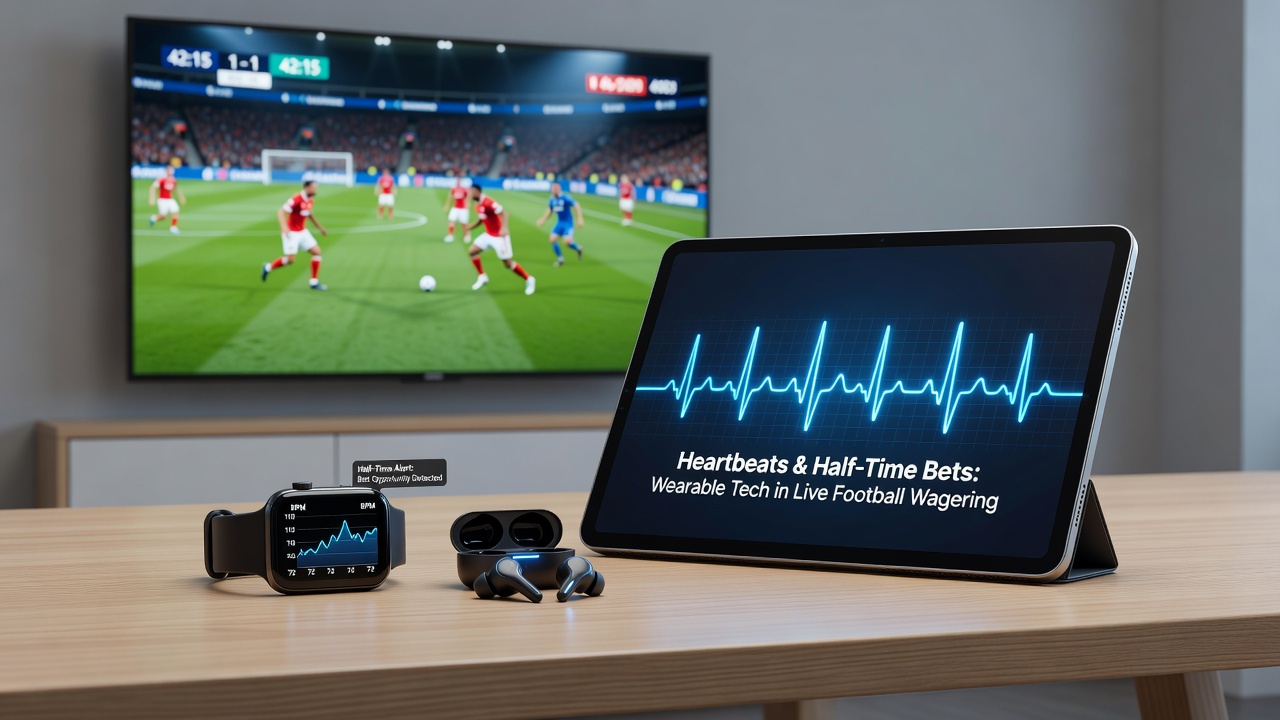
Platforms now prompt users to enable optional biometric sharing during registration, then surface tailored bet suggestions when the wearer's pulse matches historical patterns associated with successful wagers. This personalisation remains optional under most regulatory frameworks, yet adoption rates climbed steadily through the spring of 2026 as apps introduced clearer privacy controls and opt-out mechanisms.
Regulatory and Technical Considerations Across Regions
Government agencies in multiple jurisdictions have begun examining how biometric data intersects with responsible gambling tools. In Canada, provincial regulators require operators to display cooling-off prompts when user heart-rate data indicates prolonged elevated stress during betting sessions. Similar pilot programmes launched in parts of Asia during July 2026, focusing on mandatory session limits triggered by sustained biometric readings rather than time or deposit thresholds alone.
Technical standards developed by industry consortia emphasise encryption of raw physiological signals before they reach betting servers, reducing the risk of individual identification while still permitting aggregate trend analysis. These protocols allow platforms to detect unusual wagering clusters linked to shared biometric events without storing personal health records.
Future Developments in Data-Driven Markets
Developers continue testing predictive models that combine player heart-rate recovery curves with historical performance data to forecast second-half outcomes more precisely. Early trials during the 2026 international window showed improved accuracy on corner and card markets when biometric inputs supplemented traditional statistics. Operators report that these enhanced models reduce the margin of error in live odds updates, leading to tighter spreads that appeal to experienced bettors seeking value.
Partnerships between wearable manufacturers and betting technology firms are expanding, with new firmware updates scheduled for late 2026 that will allow direct API connections between consumer devices and approved betting applications. The changes aim to streamline data flow while maintaining compliance across different licensing regimes.
Conclusion
Wearable technology now supplies continuous physiological information that influences both how markets form and how individual bettors interact with live football wagers. As integrations deepen, regulatory bodies and industry groups continue refining standards that balance innovation with consumer protection. The pattern emerging through mid-2026 points toward increasingly granular, data-informed betting environments where heart-rate signals serve as one more variable among many shaping in-play decisions.