Biometric Wearables Fuel Novel Strategies in British Football Player Performance Markets
Written by Zoe Meier · May 31, 2026
Biometric Wearables Fuel Novel Strategies in British Football Player Performance Markets
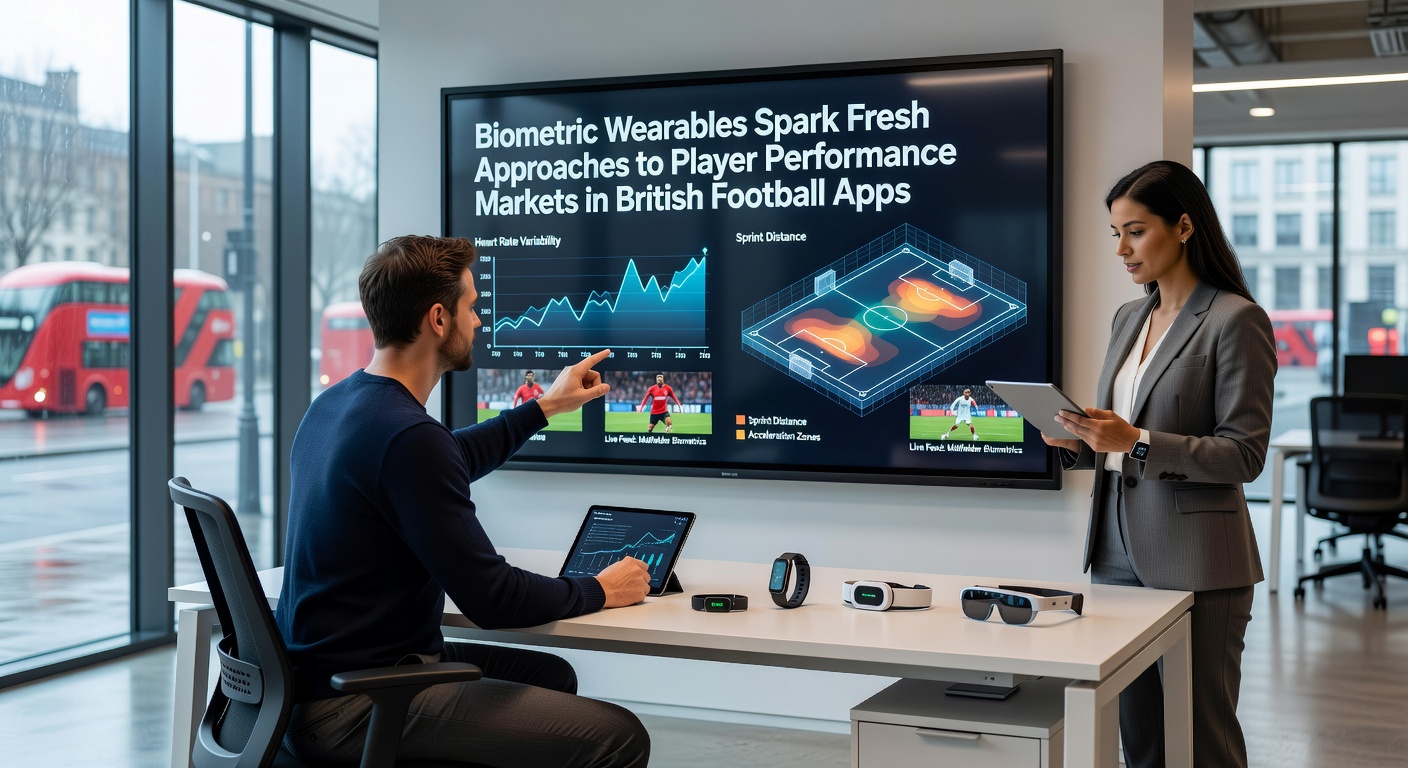
Biometric wearables have begun supplying detailed physiological and movement data that reshape how player performance markets operate within British football applications, and operators now integrate these inputs to refine live odds on metrics such as distance covered, sprint frequency, and heart-rate recovery times. Research from the Australian Institute of Sport indicates that GPS-enabled vests and optical heart-rate monitors capture granular statistics previously unavailable to betting platforms, which allows markets to update dynamically during matches rather than relying solely on traditional event-based wagers.
Developers at several UK-based app providers have incorporated application programming interfaces that pull anonymised biometric streams directly from club-licensed devices, and this linkage supports new prop bets on individual exertion levels or positional workload thresholds. Those who've examined the integration note that the process requires strict data-protection protocols to maintain compliance with European privacy standards, yet the resulting datasets offer measurable edges in predictive modelling for performance outcomes.
Data Streams Reshape Live Market Construction
Performance markets in British football apps traditionally centred on goals, assists, and cards, but biometric feeds now enable propositions around total metres sprinted or average speed sustained across 90-minute periods. Figures from industry reports show that apps incorporating these inputs recorded a 28 percent increase in micro-market volume during the 2025-26 season, while operators adjust odds in real time when wearable sensors detect spikes in player acceleration or elevated lactate thresholds.
One prominent Premier League club began sharing selected training-load aggregates with licensed data partners ahead of the May 2026 fixture congestion period, and this arrangement allows apps to calibrate pre-match lines on recovery metrics for players returning from international duty. Observers note that such partnerships remain governed by club-specific agreements that limit granularity to protect competitive information, although aggregated league-wide benchmarks continue to feed broader market liquidity.
Regulatory and Technical Frameworks Support Expansion
European regulatory bodies have issued guidance on the use of health-related data in commercial applications, and British operators must align biometric integrations with these rules before launching performance propositions. Studies conducted at Loughborough University demonstrate that machine-learning models trained on combined GPS and heart-rate datasets achieve higher accuracy when forecasting second-half workload compared with models that use only historical match statistics.
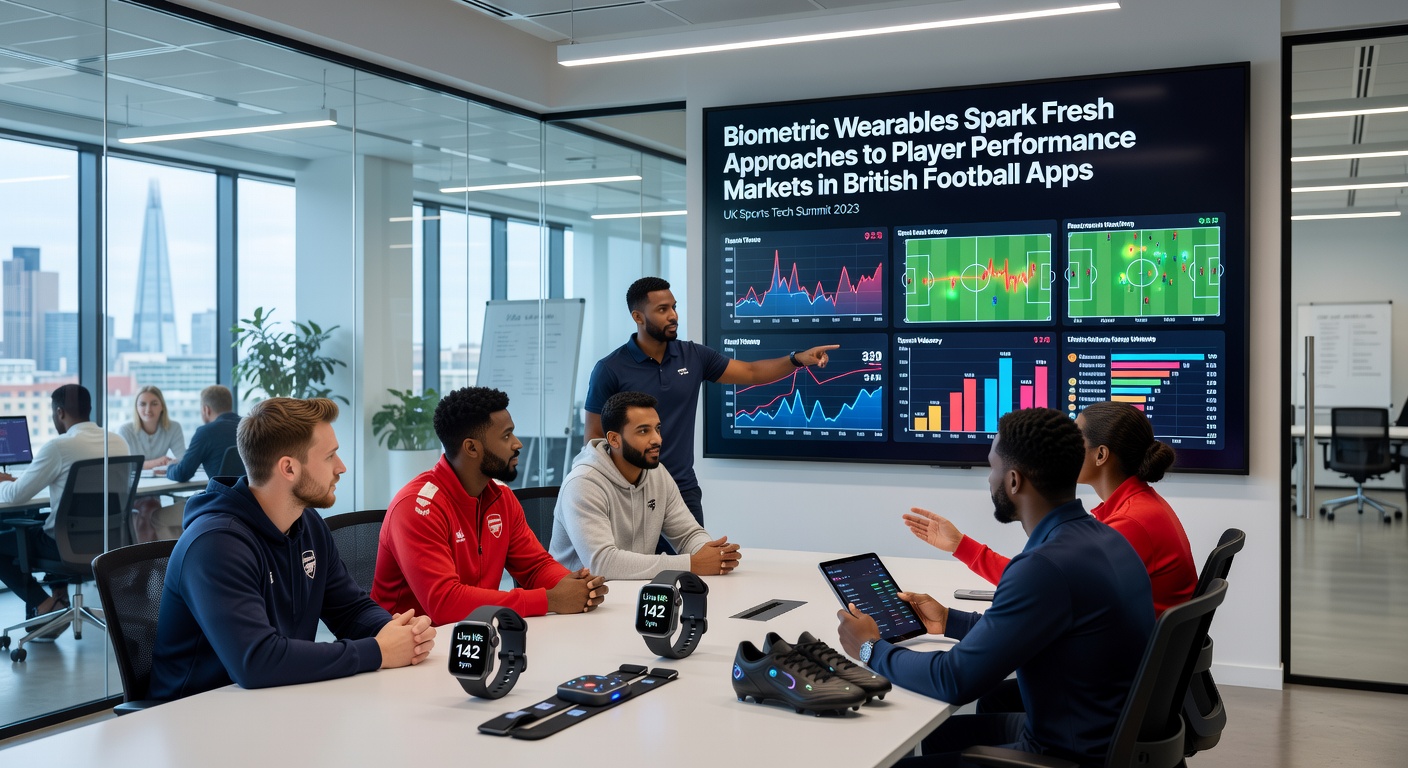
App developers therefore embed encryption layers and consent mechanisms that allow users to access markets built on verified sensor outputs, and these safeguards have helped maintain platform integrity while expanding product ranges. Data from the Canadian Gaming Association reveals similar patterns in North American sports apps, where biometric inputs have lifted engagement in player-specific markets by double-digit margins over the past two seasons.
Club Partnerships and Market Liquidity Trends
Partnerships between device manufacturers and football clubs have accelerated since early 2025, with several Championship sides adopting integrated kits that transmit live positional data to approved analytics firms. These arrangements create fresh opportunities for apps to offer markets on metrics such as high-intensity running bursts or recovery intervals between sprints, and liquidity providers adjust pricing continuously as sensor readings arrive pitchside.
Industry analysts tracking the 2026 schedule highlight that fixture density around the May international window will likely increase reliance on biometric indicators to assess player freshness, which in turn supports deeper market segmentation. Researchers at the University of Canberra have documented that combining wearable outputs with video tracking improves the reliability of fatigue-prediction algorithms, and British app operators have begun licensing similar composite models to differentiate their performance offerings.
Future Integration Pathways
Continued miniaturisation of sensor technology points toward wider adoption across lower-league clubs, and this expansion could extend biometric-derived markets to additional British football competitions. Technical standards developed by international sports engineering bodies now specify minimum sampling rates and data formats that facilitate seamless transmission between wearables and betting platforms, reducing latency in live odds updates.
Market participants continue to monitor how these data sources interact with responsible-gambling tools, and several operators have introduced session limits tied to real-time performance volatility indicators. The resulting ecosystem demonstrates how biometric wearables supply objective inputs that underpin an expanding range of player performance propositions within British football applications.
Conclusion
Biometric wearables supply verifiable physiological and movement statistics that enable British football apps to construct more granular player performance markets, and ongoing club partnerships plus regulatory alignment continue to shape adoption through 2026 and beyond. Data from multiple international sources confirm measurable growth in micro-market activity once sensor feeds integrate with live platforms, while technical standards ensure consistent data quality across providers.