Data Analytics Reshapes Real-Time Football Betting on Mobile Devices
Written by Dana Carter · Aug 2, 2026
Data Analytics Reshapes Real-Time Football Betting on Mobile Devices
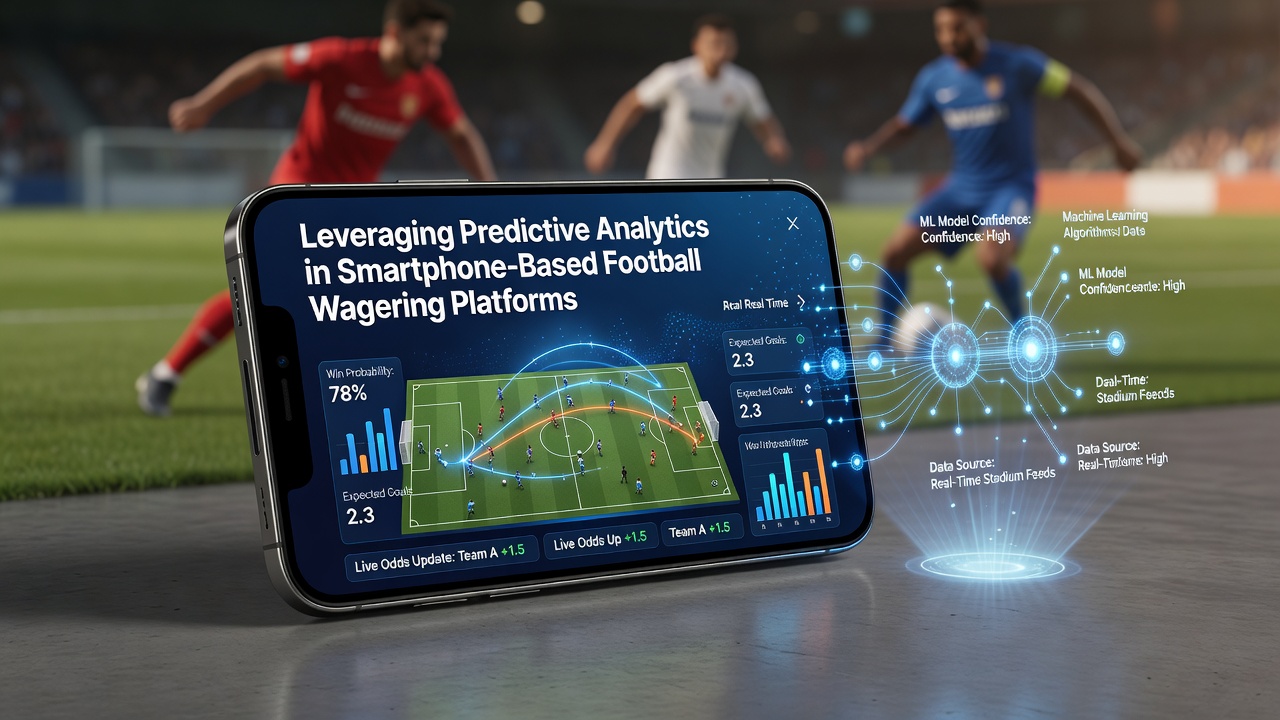
Platforms that combine predictive models with smartphone interfaces now process vast streams of match data, player metrics, and historical patterns to adjust odds and recommendations during live football events. Observers note that these systems handle inputs from multiple sources including GPS tracking, weather conditions, and team formations while users place wagers from their devices. Research from the University of Sydney indicates that machine learning algorithms applied to sports data improve forecast accuracy for outcomes such as goal timing and player substitutions by integrating variables that change throughout a match. Operators deploy these tools to generate dynamic probabilities that update in seconds rather than minutes. Users receive tailored suggestions based on current game states, yet the underlying calculations remain driven by statistical models rather than manual intervention. Data shows that adoption of such features has increased across European and Australian markets since early 2025, with mobile sessions accounting for the majority of activity during major tournaments.Core Components of Predictive Systems in Mobile Wagering
Algorithms draw on datasets that include past performance records, injury logs, and tactical adjustments to simulate possible scenarios for each fixture. Developers integrate these models into apps so that calculations occur on remote servers while the interface displays simplified outputs like probability percentages or suggested stake ranges. Those who study implementation patterns report that cloud-based processing allows rapid scaling during peak periods such as the August 2026 international break when fixture volumes rise sharply.
Smartphone applications further incorporate user-specific data such as betting history and session duration to refine risk assessments without storing sensitive information locally. This separation keeps the predictive engine focused on objective variables while the front-end adapts display elements to device capabilities. Figures from industry reports reveal that latency reductions below 500 milliseconds have become standard in top platforms, enabling near-instant updates that align with live television feeds.Integration with Live Match Data Feeds
Real-time inputs from official match trackers feed directly into analytic pipelines that recalculate odds for in-play markets like next goal scorer or corner counts. Engineers at betting technology firms combine these feeds with external signals including crowd noise levels captured through stadium microphones and referee positioning data gathered via wearable sensors. The resulting models adjust probability distributions continuously, and smartphone users observe corresponding shifts in displayed odds without manual refresh actions.
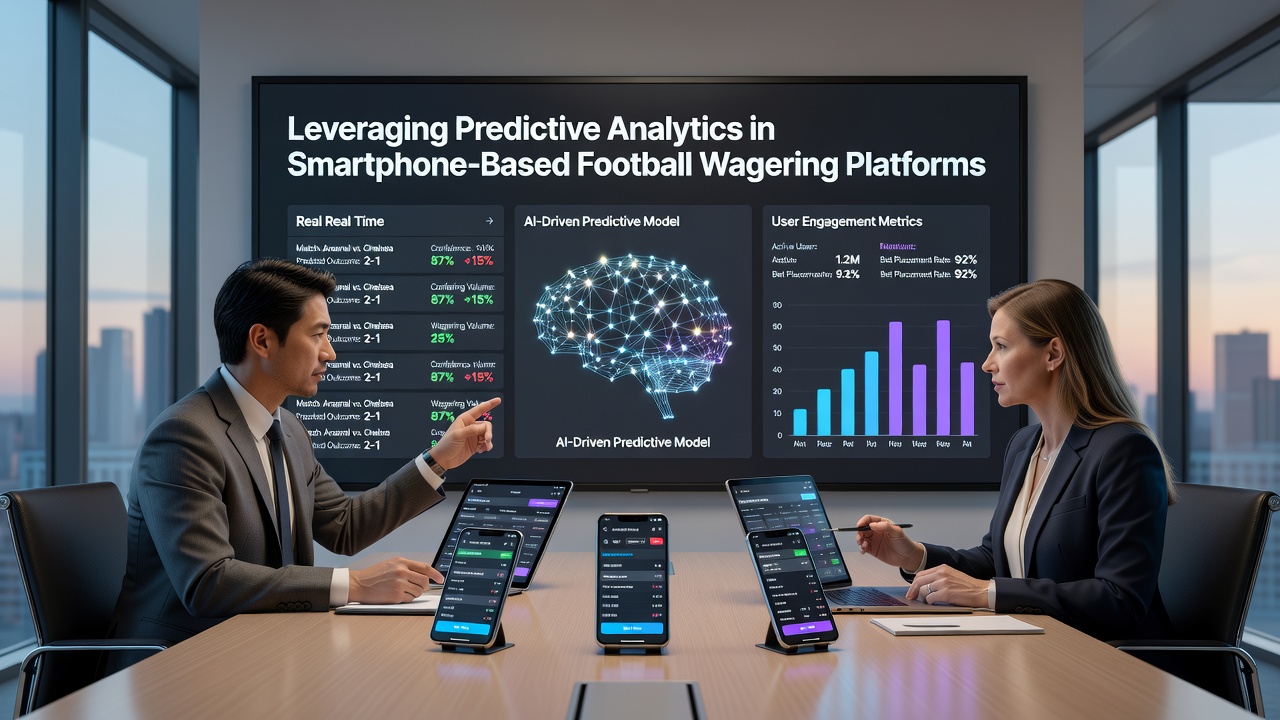 One documented case involved a platform that processed over 2.4 million data points during a single Premier League weekend in 2026, according to technical documentation released by the developer. Such volumes require distributed computing resources that maintain consistency across user sessions worldwide. Observers note that these capabilities have expanded access to previously niche markets such as set-piece outcomes and goalkeeper save probabilities.
Regulatory and Technical Considerations Across Regions
Authorities in multiple jurisdictions require transparency around how predictive models influence displayed odds and user recommendations. The Australian Communications and Media Authority has issued guidelines that emphasize audit trails for algorithmic decisions in gambling applications, while similar frameworks in Canada stress independent verification of model fairness. These rules encourage operators to maintain separate testing environments where historical match data validates new prediction layers before deployment.
Technical teams address potential biases in training datasets by applying regularization techniques and cross-validation methods during model development. Researchers at academic institutions have published findings showing that ensemble methods combining random forests with neural networks yield lower error rates when forecasting football results compared with single-algorithm approaches. Smartphone platforms incorporate these validated techniques to support markets that update every few seconds during active play.Future Developments and Platform Evolution
Emerging hardware features such as advanced on-device processors allow certain lightweight analytic tasks to run locally, reducing reliance on constant network connectivity. Developers continue to explore integration with augmented reality overlays that display predicted probabilities directly on live match footage viewed through phone cameras. Data from equipment manufacturers indicates that battery efficiency improvements have supported longer sessions without compromising the continuous data exchange required for accurate predictions.
Industry associations including the European Gaming and Betting Association track adoption metrics that show steady growth in predictive feature usage among mobile users. These trends align with broader shifts toward personalized yet data-grounded experiences that maintain regulatory compliance across borders.
Conclusion
Predictive analytics continues to drive technical evolution in smartphone-based football wagering by converting complex datasets into actionable interface elements. Systems that balance processing speed with regulatory oversight support expanded market options while processing live inputs at scale. As August 2026 approaches and fixture calendars intensify, platform capabilities in this area remain central to operational strategies across the sector.