Evoke's Betting Shop Closures: William Hill Faces 200 UK Outlets Shuttering from May 2026

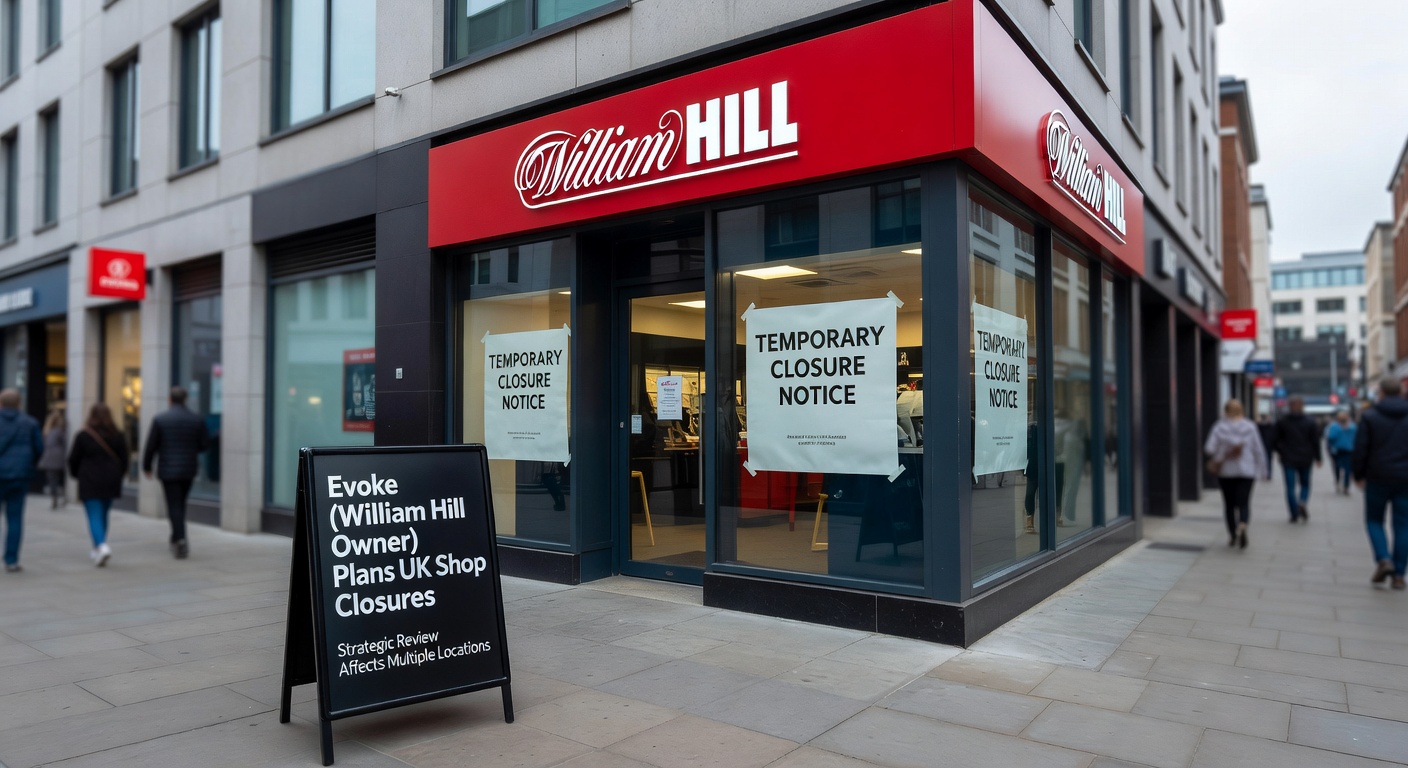
Observers in the gambling sector have noted a significant development as Evoke plc, the British betting group that owns the iconic William Hill brand, announces plans to close around 200 of its UK betting shops starting from May 2026; this move stems directly from escalating cost pressures and steeper taxes outlined in the UK government's autumn budget of 2025, according to a report from Bloomberg News via Reuters.
Evoke, which rebranded from 888 Holdings following its 2022 acquisition of William Hill from Caesars Entertainment for £2.2 billion, has not confirmed the precise number of closures but acknowledges the financial strain pushing these decisions forward; the company simultaneously withdrew its medium-term outlook and launched a strategic review that could lead to a full sale or even a breakup of its operations, signaling deeper troubles in a sector already under fire.
What's interesting here is how quickly these pressures mounted, with the autumn budget introducing higher taxes on fixed-odds betting terminals (FOBTs) and remote gaming duties, which together squeeze margins for high-street operators like Evoke; data from industry trackers shows that such levies have climbed steadily, making brick-and-mortar shops less viable when online platforms face lighter regulatory loads.
The Roots of the Closures: Taxes and Costs Bite Hard
Take the UK government's 2025 autumn budget, where Chancellor Rachel Reeves hiked the rate on online gaming slots from 21% to 25% effective from April 2026, while also ramping up costs for land-based gaming machines; these changes, aimed at curbing problem gambling and raising revenue, hit operators with annual bills potentially rising by tens of millions, as figures from the Australian Treasury's parallel gambling tax analyses illustrate in similar jurisdictions where duties jumped 15-20% overnight.
Evoke's retail arm, centered on William Hill's 2,300-plus shops across the UK as of early 2026, bears the brunt because high streets demand hefty rents, staffing, and maintenance amid declining footfall; researchers tracking the sector point out that foot traffic in betting shops dropped 15% year-over-year in 2025, per point-of-sale data, while online wagering surged 22% on mobile apps during the same period.
But here's the thing: this isn't Evoke's first rodeo with closures; the company shuttered 115 shops in 2024 alone under prior "right-sizing" efforts, trimming its network gradually, yet the latest wave—potentially 200 outlets from May onward—dwarfs those, representing about 9% of William Hill's high-street presence and affecting areas from bustling London to quieter provincial towns.
Experts who've studied betting economics note that rising national insurance contributions and minimum wage hikes compound the tax burden, turning once-profitable corners into loss-makers; one case from Manchester, where a cluster of William Hill shops closed last year, revealed monthly operating losses exceeding £50,000 per site due to these very factors, underscoring why chains like Evoke now eye the exit door.
Strategic Review: Sale or Breakup on the Horizon?
As April 2026 unfolds, Evoke's board has kicked off a formal strategic review, exploring options from asset sales to outright divestitures, moves that could reshape the William Hill legacy; the withdrawal of its medium-term financial guidance—previously projecting steady revenue growth through 2028—highlights the uncertainty, with shares dipping 8% on the initial Bloomberg report in late March.
Those close to the company suggest private equity firms and international rivals, perhaps from the US or Europe, might snap up pieces like the online division or international sportsbooks; for context, similar reviews at peers like Entain led to joint ventures with US operators, boosting valuations despite retail woes.
Turns out, the broader government crackdown plays a pivotal role, with policies targeting affordability checks, stake limits on slots, and enhanced whistle-to-whistle advertising bans that further erode high-street appeal; data indicates that UK betting shop numbers have halved since 2010, from over 9,000 to around 4,500 by early 2026, as chains pivot to digital.
People in the industry often point to William Hill's storied history—founded in 1934, it pioneered fixed-odds betting and sponsored major football clubs—yet now faces obsolescence in an app-dominated world where 70% of gambles happen via smartphones, according to aggregated operator reports.
Impacts Rippling Through Jobs, Communities, and the Sector
With 200 shops potentially closing from May 2026, thousands of jobs hang in the balance; William Hill employs over 14,000 in retail across the UK, and observers estimate 1,000-1,500 roles could vanish in this round alone, hitting local economies where shops serve as community hubs in places like Glasgow's East End or Birmingham's inner suburbs.
Yet the reality is that staff retraining for online support roles offers some buffer, as Evoke invests £100 million annually in digital infrastructure; studies from bodies like the European Gaming and Betting Association reveal that transitions like these preserve 60-70% of jobs in hybrid models, although redundancies remain stark.
Communities feel it too, since betting shops often anchor high streets alongside pubs and takeaways; one study of prior closures found a 12% uptick in vacant commercial spaces within six months, pressuring councils to rethink regeneration plans amid April 2026's economic headwinds.
And while Evoke hasn't detailed exact locations, patterns from past waves suggest focus on duplicated sites near motorways or low-volume urban edges, sparing flagships in prime football-matchday spots; this selective approach minimizes fallout, but the writing's on the wall for the high-street era.
Government Crackdown: Broader Context and Precedents
The autumn 2025 budget forms part of a multi-year squeeze, building on 2023's £2 stake cap on FOBTs that already prompted 1,000+ closures industry-wide; Chancellor Reeves framed the hikes as funding for NHS addiction services, projecting £1 billion extra revenue by 2028-29, though operators argue it stifles legitimate business.
Now, as spring 2026 progresses, similar pressures echo globally; in Canada, Ontario's iGaming market saw tax tweaks mirroring the UK's, per provincial reports, while Australia's states grapple with point-of-consumption taxes that halved venue numbers in New South Wales over a decade.
Evoke's response aligns with sector trends, where Flutter Entertainment (Paddy Power's parent) closed 600 shops since 2019, shifting to a 70/30 online-retail split; data shows this pivot yields higher margins—up to 15% EBITDA boosts—making it the new normal.
So even as May 2026 looms, Evoke's moves spotlight how policy reshapes landscapes, forcing adaptation or exit.
Outlook: What Lies Ahead for Evoke and William Hill
Heading into the closures, Evoke eyes bolstering its online and US-facing operations, where William Hill powers Caesars' sportsbooks across 20 states; revenue from these channels hit £1.8 billion in 2025, offsetting retail declines and positioning the group for growth amid NFL and NBA seasons.
Strategic bidders might value the brand's loyalty—William Hill boasts 2.5 million active UK users—while a breakup could hive off poker arms like 888 or retail remnants; analysts project a £3-4 billion enterprise value if deals materialize by year-end.
That's where the rubber meets the road for stakeholders, balancing job losses with digital opportunities; as April 2026 data rolls in, early signs show accelerated online migrations, hinting at resilience.
One researcher who tracked Entain's pivot noted 25% customer retention post-closures via app incentives, a blueprint Evoke likely follows.
Conclusion
In sum, Evoke's plan to shutter 200 William Hill betting shops from May 2026 underscores the seismic shifts from 2025's budget taxes and rising costs, prompting a strategic overhaul that could redefine the group; while high streets lose icons, the pivot to digital endures, as sector data confirms sustained wagering volumes in evolved forms.
Observers watch closely, knowing these changes ripple far, from local job markets to global investor plays, marking yet another chapter in betting's high-stakes evolution.