From Stats to Stakes: How Predictive Models in Betting Apps Refine Football Odds for UK Users
Written by Devon Russell · Jul 28, 2026
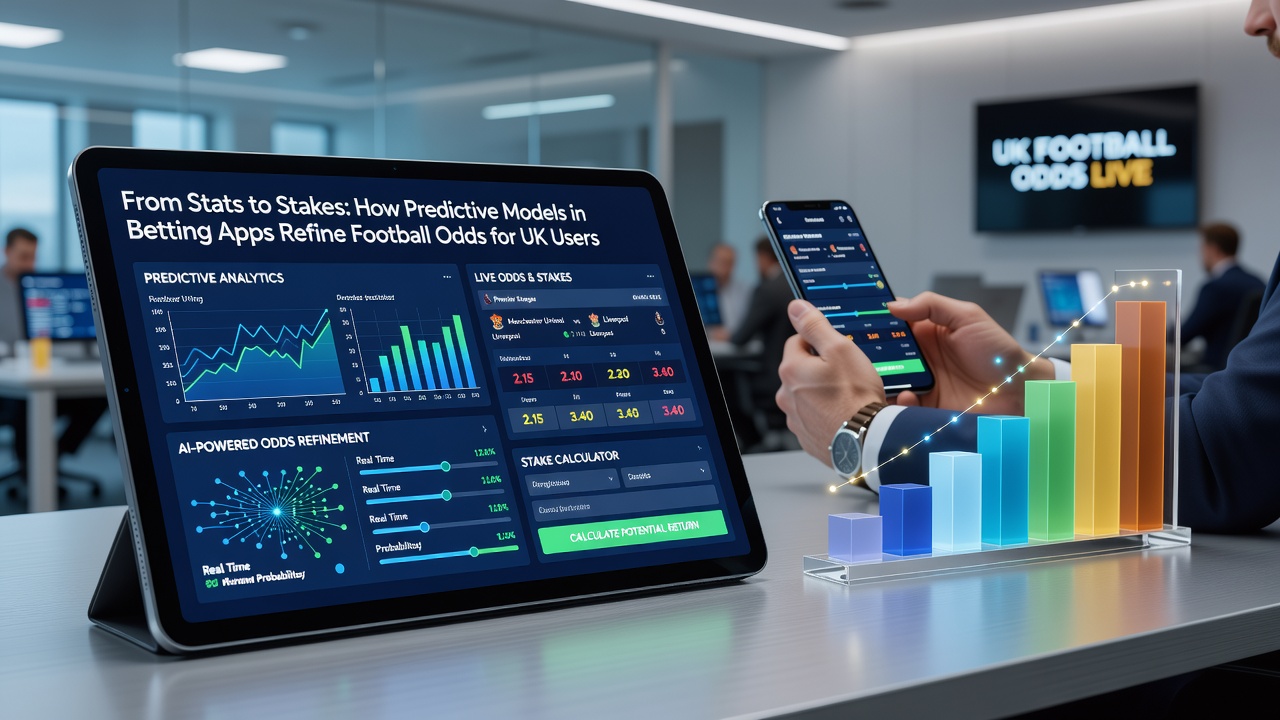
From Stats to Stakes: How Predictive Models in Betting Apps Refine Football Odds for UK Users
Football betting in the UK has shifted toward data-driven systems where predictive models process vast datasets to adjust odds in real time, and this evolution continues through mid-2026 as apps integrate new variables from domestic and European competitions.
Operators feed historical match results, player metrics, and environmental factors into machine learning frameworks that recalculate probabilities during pre-match and live stages. These calculations draw from sources including team formation data, injury reports, and possession statistics compiled across multiple seasons.
Core Inputs Driving Model Accuracy
Algorithms incorporate variables such as expected goals, pass completion rates under pressure, and travel distance between fixtures, while external conditions like pitch quality and weather patterns receive weighted scores based on historical correlations. Studies from the Canadian Centre for Gaming Research have tracked how similar statistical layers improve forecast precision across North American sportsbooks, and parallel techniques now appear in UK platforms serving Premier League and Championship markets.
Real-time updates occur through continuous data streams from official league feeds and wearable sensor outputs, allowing odds to shift within seconds of a substitution announcement or a change in atmospheric pressure during an outdoor match. One study released by the University of Nevada's International Gaming Institute examined live betting adjustments in comparable European leagues and found that models incorporating at least twelve concurrent data streams reduced variance between opening and closing odds by measurable margins.
Live Refinement During Matches
During July 2026 pre-season friendlies and early domestic cup ties, apps deploy these systems to manage liquidity across thousands of simultaneous bets. The models recalibrate probabilities for outcomes such as next goal scorer or total corners by blending in-game event data with pre-loaded simulations run on high-performance computing clusters.
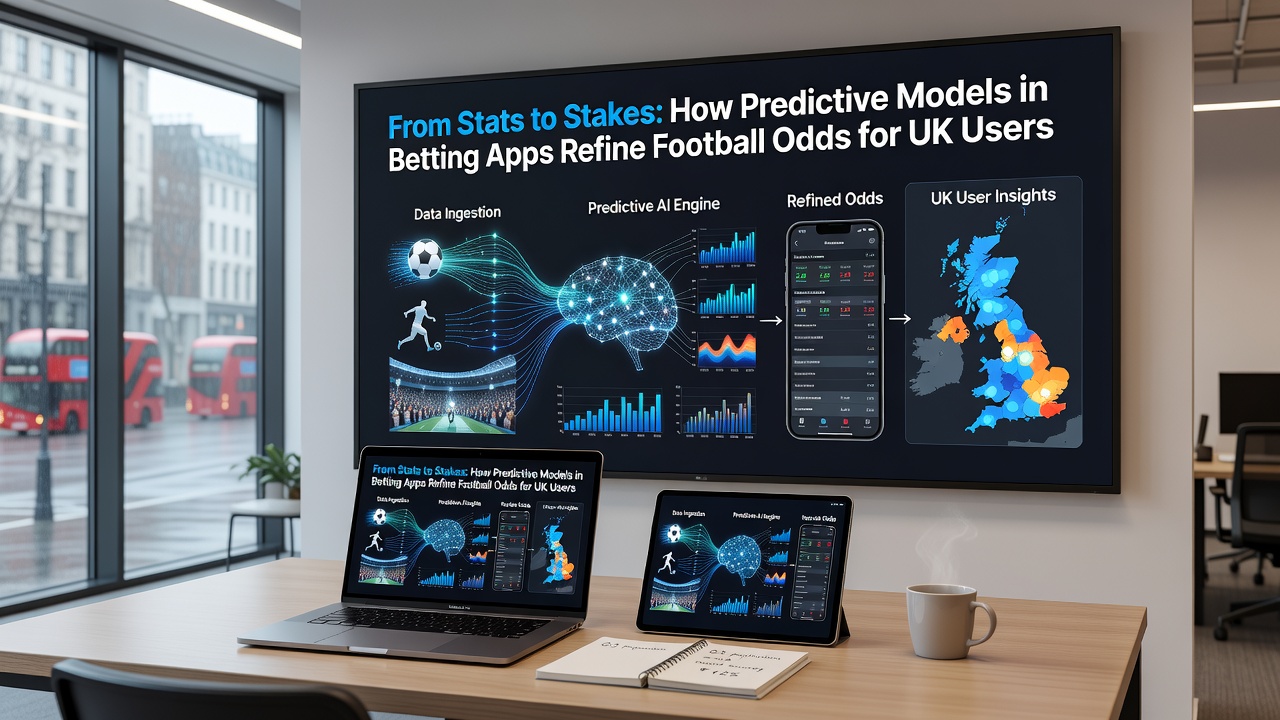
Users in the UK observe these changes through dynamic price displays that update without manual intervention, and the underlying code often employs Bayesian updating methods to revise initial probability distributions as new information arrives. This approach mirrors techniques documented in academic papers on sports analytics, where sequential learning reduces systematic bias in forecasts.
Regulatory and Technical Context
Platforms must align model outputs with responsible gambling parameters set by bodies outside the UK, including oversight frameworks referenced in reports from the Australian Gambling Research Centre that emphasize transparency in algorithmic decision-making. Data pipelines undergo regular audits to confirm that odds reflect statistical realities rather than arbitrary adjustments, and operators publish aggregated performance metrics that allow third-party verification of model calibration.
Integration with mobile networks enables low-latency delivery of updated odds to devices across Britain, while partnerships with data providers ensure coverage of lower-tier leagues that attract niche betting interest. Observers note that the same infrastructure supports multi-market accumulators where each leg's probability receives independent refinement before the overall price is assembled.
Future Developments in 2026
As the 2026-2027 season approaches, developers continue testing enhancements such as incorporation of fan sentiment metrics scraped from public social platforms and advanced tracking of set-piece execution patterns. These additions expand the input space without altering the core statistical methodology that has already demonstrated consistent performance in back-testing against completed fixtures.
Industry reports from the European Gaming and Betting Association highlight how cross-border data sharing protocols facilitate model training on larger sample sizes, and UK-facing apps benefit from these expanded datasets when pricing matches involving overseas squads. The process remains grounded in verifiable performance indicators rather than speculative projections.
Conclusion
Predictive models in betting apps therefore function as iterative engines that convert raw statistics into dynamic odds, and their refinement continues through ongoing data integration and validation cycles observed through July 2026. The systems deliver updated probabilities that reflect current conditions while maintaining alignment with established regulatory expectations across multiple jurisdictions.