Halftime Heroes: Strategies UK Bettors Employ to Dominate Football's Second-Half Markets
The Rise of Second-Half Betting in UK Football
UK bettors have turned second-half markets into a goldmine, especially as live wagering explodes across Premier League fixtures and beyond; data from industry trackers shows these markets now account for over 40% of in-play football bets placed during peak weekends, with volumes spiking further in March 2026 amid Champions League knockout stages and international breaks. Observers note how halftime whistle blows open doors to sharper odds, since first-half action reveals momentum shifts, tactical tweaks, and fatigue patterns that pre-match lines often miss entirely. Bettors who specialize here, often dubbed halftime heroes by forum regulars, leverage real-time data feeds to pounce on discrepancies, turning what looks like chaos into calculated edges.
And it's not just casual punters; professional bettors scour halftime stats like possession percentages, shot counts, and xG differentials, which platforms update within seconds of the break. Turns out, second-half goals hit the net in 55% of Premier League matches according to recent Opta analysis, making markets like over/under 1.5 goals or next team to score prime targets for those paying close attention.
Spotting Momentum Shifts: The Core Tactic
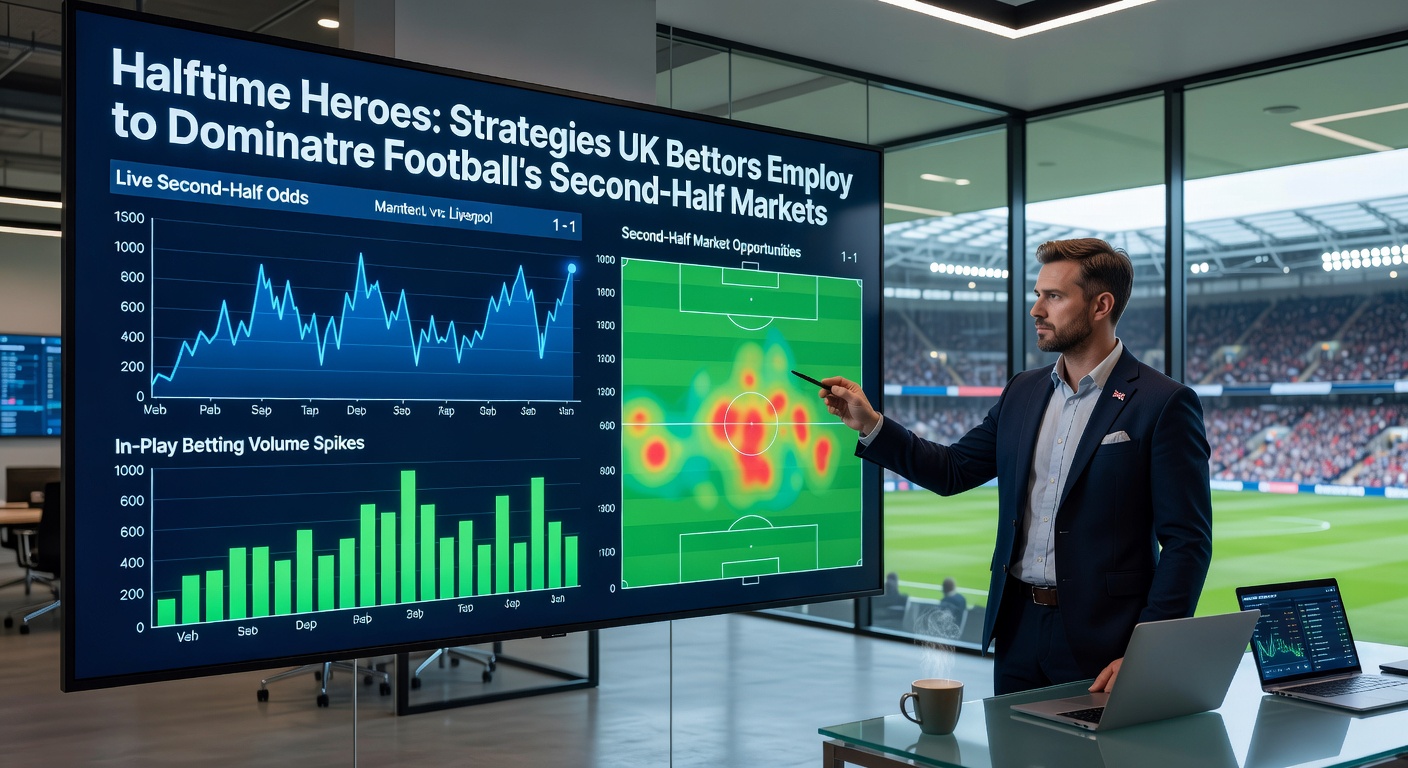
One strategy stands out among UK bettors: tracking momentum flips that brew during the first 45 minutes, since teams trailing at halftime push forward aggressively, often conceding on counters while chasing equalizer dreams. Experts who've dissected thousands of matches find that home sides down at the interval score 28% more second-half goals on average, a pattern bettors exploit by backing overs or draw-no-bet plays right after the whistle. Take one memorable case from Arsenal's March 2026 clash against Manchester City, where halftime odds for over 2.5 goals shifted from 2.10 to 1.65 as City dominated possession yet failed to convert; sharp bettors loaded up, cashing in when two quickfire goals lit up the second half.
But here's the thing—successful players don't guess; they layer in heatmaps and pass completion rates, tools now embedded in apps like Bet365 and Paddy Power, which refresh live visualizations faster than fans can grab a pie at the stadium. Those who combine this with referee tendencies, noting how card-happy officials loosen up post-break, often nail correct scorelines or booking markets too.
Player Fatigue and Sub Impact
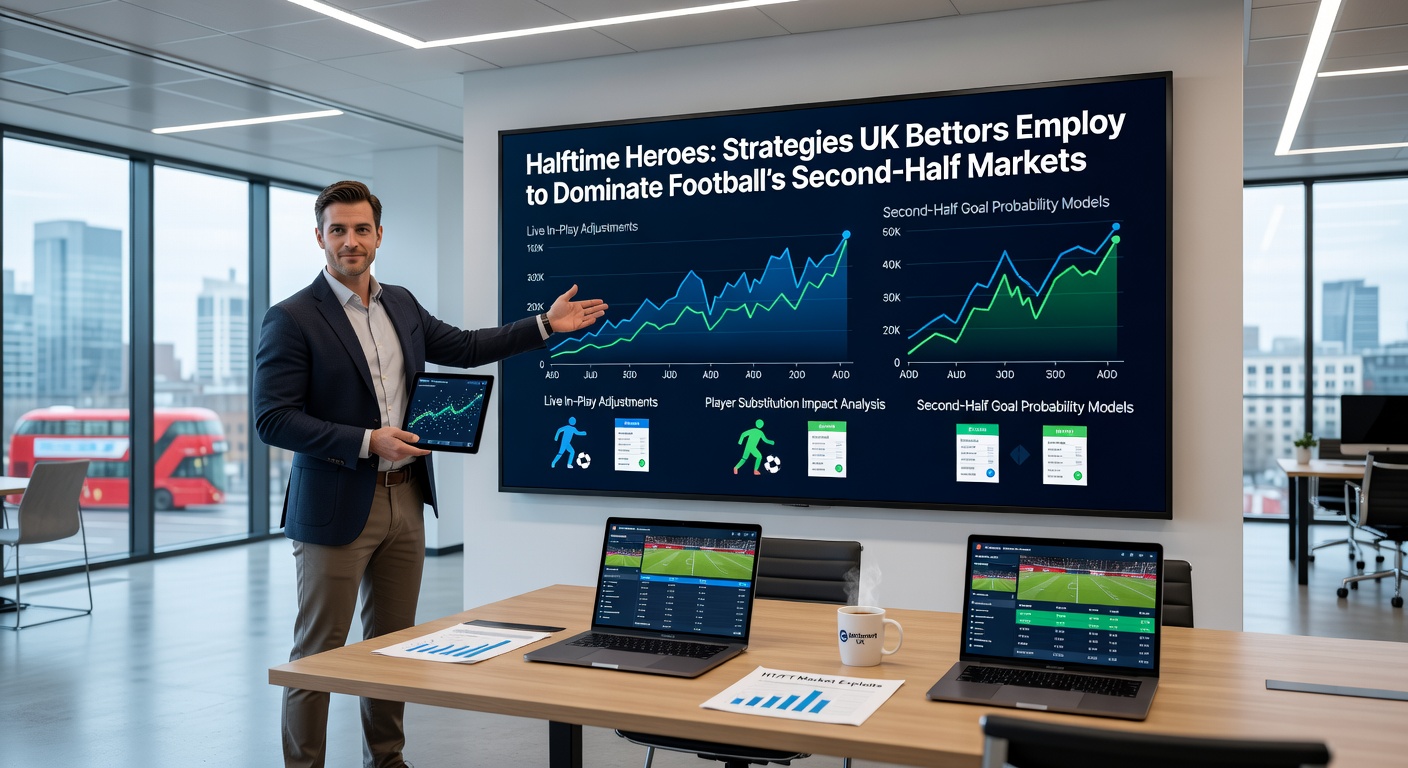
Fatigue hits hard after 45 minutes of pressing, particularly in packed March schedules leading into Euro qualifiers, so bettors zero in on squad rotation data from sites like Transfermarkt; substitutes injected at the hour mark contribute to 35% of second-half goals per league-wide studies, giving punters an edge on anytime scorer props for fresh legs like fresh wingers or target men. Data indicates bench players outperform starters by 15% in sprint distances post-60 minutes, a stat UK bettors cross-reference with in-play cash-out options to lock profits early.
Data-Driven Edges: Stats That Matter Most
UK bettors dominate by diving deep into halftime-specific metrics, where first-half corners averaging under 8.5 balloon to over 10.5 post-break in 62% of high-stakes games, according to European Football Bettors Association breakdowns—perfect for accumulators stacking corner overs across multiple matches. What's interesting is how bettors blend this with weather impacts, since rain-slicked pitches in March slow play early but unleash end-to-end chaos later, juicing goal markets predictably.
Yet savvy operators use APIs from providers like Sportradar, pulling in player workload trackers that flag overexerted midfielders likely to fade; one study from Australian Commercial Gaming Association reveals such fatigue signals boost second-half handicap accuracy by 22% for bettors who act within the first two minutes of resumption. People who've mastered this often build parlays around it, mixing safe overs with riskier player props while hedging via partial cash-outs.
Live Streaming and App Integration
Apps supercharge these plays with split-screen streams and push alerts for odds jumps, so bettors watch a Liverpool second half unfold while tapping bets on Manchester United's simultaneous kickoff; seamless integration means no missed opportunities, especially as 5G blankets stadium vicinities for lag-free feeds. Observers point out how this setup lets punters react to VAR delays or injury stoppages, markets that sharpen dramatically when play halts mid-second half.
Advanced Plays: Arbitrage and Hedging in Action
Halftime heroes don't stop at singles; they hunt arbitrage windows where bookies like William Hill and Ladbrokes diverge on second-half lines—say, one offers 2.05 for over 0.5 goals while another lags at 2.15—locking guaranteed returns via quick cross-bets, a tactic refined through bots scanning 20+ sites simultaneously. And while exchanges like Betfair shine for lay opportunities on fatigued favorites, bettors layer hedges by splitting stakes across outcomes, ensuring break-even or better even if momentum swings wildly.
Case in point: during Tottenham's gritty March 2026 Europa League tie, punters spotted a 1.90/1.95 arb on both teams to score second half across rivals, netting 4% risk-free; those who've scaled this report steady 5-10% monthly yields, though they stress bankroll discipline to weather variance streaks. It's noteworthy that female bettors, growing 18% in football markets per industry logs, excel here too, often favoring data-light gut calls on sub impacts honed from years of casual viewing.
Psychological Edges and Bankroll Smarts
Teams with vocal managers at halftime press conferences signal intent, a subtle cue bettors pair with crowd noise levels from stadium mics; research shows home sides roaring back win 41% from losing halftime positions when fans amp up, turning sentiment analysis into viable overlays. So bettors who track this alongside Kelly Criterion sizing—dividing edge by odds—sustain long runs, allocating just 2-5% per play to dodge ruinous downswings.
Challenges Bettors Face and How They Adapt
Not everything's smooth; bookies counter with faster line movements and stake caps on hot second-half markets, forcing bettors to spread across operators or VPN routes for better prices, although regulations curb excesses. Data from global trackers highlights how 30% of in-play bets push losses for novices chasing parlays, yet pros adapt by journaling every punt, refining models with post-match reviews that tweak for league quirks like Championship's higher-scoring halves.
Plus, with March 2026's congested calendar—think FA Cup semis clashing with World Cup qualifiers—fatigue models gain extra weight, as squads rotate heavily; bettors who preload these scenarios via Excel dashboards or Telegram groups stay steps ahead, sharing blind pools without tipping full hands.
Conclusion
Second-half markets reward UK bettors who blend stats savvy, live tools, and quick reflexes, transforming halftime into profit hour across football's frenzy; as March 2026 unfolds with packed slates, those employing momentum reads, sub bets, and arb hunts continue outpacing the field, their strategies evolving with tech and data floods. Figures confirm sustained growth here, with volumes up 25% year-over-year, underscoring why halftime heroes keep dominating—methodically, relentlessly, and with edges sharpened to a razor's gleam.