How Betting App Interfaces Influence Live Risk Calculations for Football Matches
Written by Petra Reed · Aug 21, 2026

How Betting App Interfaces Influence Live Risk Calculations for Football Matches
Data from multiple European markets shows that app interfaces directly affect how operators update risk models during live football matches, with interface elements such as button placement and data refresh rates determining the speed at which new probabilities reach bettors. Researchers at institutions tracking digital gambling platforms note that visual cues like color-coded risk meters and collapsible stat panels guide users toward specific bet types while backend algorithms recalculate exposure in milliseconds. In August 2026, several operators reported that streamlined swipe gestures in their football sections reduced average decision time by 18 percent compared with earlier versions that relied on static menus.
Interface Elements That Feed Risk Engines
Modern betting applications integrate front-end components with real-time data pipelines so that every tap or scroll can trigger a fresh risk assessment. When a user opens a live match screen, the interface pulls current score, possession, and player substitution data; these inputs then flow into proprietary models that adjust odds and liability limits. Observers at technology conferences have documented cases where a single design change, such as moving the cash-out button closer to the main odds display, increased cash-out volume by measurable margins and forced risk teams to recalibrate exposure thresholds within the same match.
Another factor involves progressive disclosure of statistics. Apps that reveal advanced metrics only after a user expands a section allow operators to control the volume of information processed by both the user and the risk system. According to industry reports from the Australian Communications and Media Authority, platforms using layered information architecture experienced fewer sudden liability spikes during high-profile matches because bettors made fewer rapid selections when confronted with fewer visible options at once.
Real-Time Data Flow and Algorithmic Responses
Live football matches generate continuous streams of event data that interfaces must translate into actionable displays. When a goal occurs, the app interface updates scoreboards and odds panels almost simultaneously, while the risk engine recalculates team probabilities and adjusts maximum stake limits. Those who have examined these systems note that latency between the interface update and the risk recalculation can create brief windows where odds remain misaligned with the latest model output. Developers therefore embed timing protocols that pause certain bet types until the risk layer confirms new parameters.
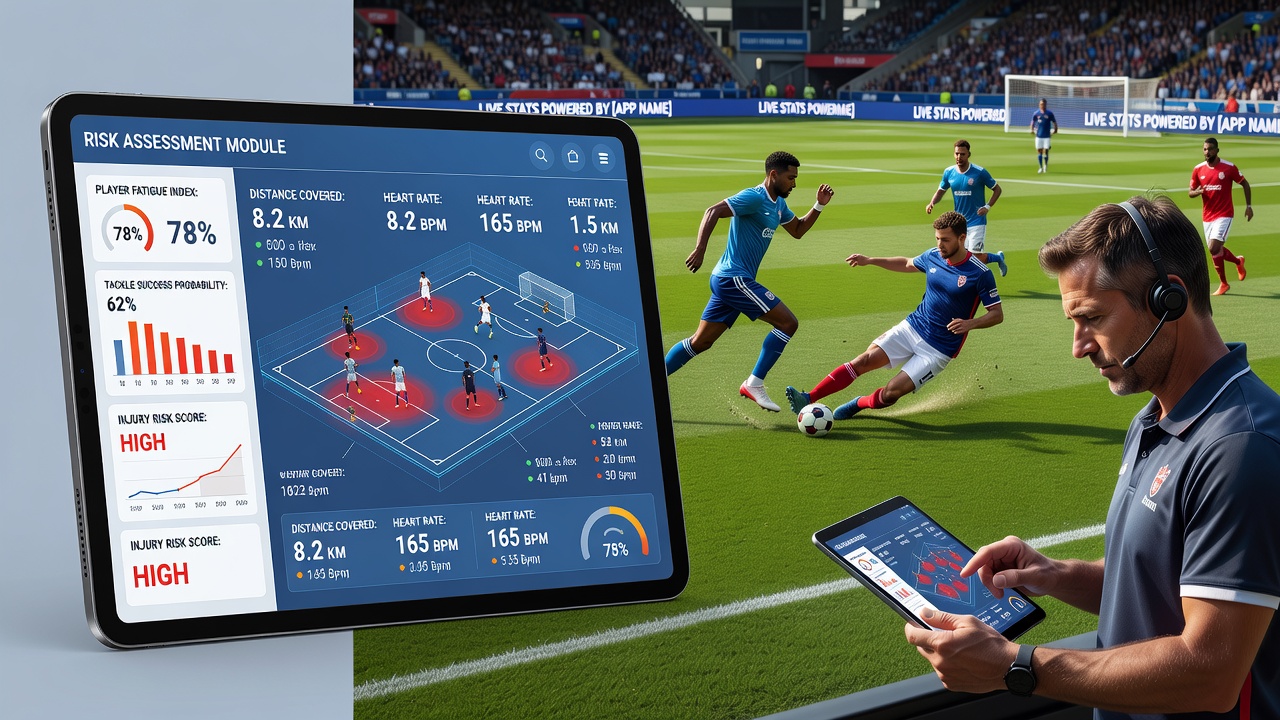
Push notifications represent another interface layer that influences risk calculations. When an app sends an alert about an imminent corner kick or player injury, it often includes a direct link to the relevant market. Each notification click registers as an engagement event that the risk model incorporates when estimating future bet volume. Figures released by the European Gaming and Betting Association indicate that notification-driven traffic can increase live betting activity by up to 27 percent during peak match minutes, prompting operators to tighten stake caps for certain user segments.
Design Patterns Across Different Markets
Regional variations in interface design produce distinct risk management outcomes. Platforms serving North American users frequently employ larger touch targets and simplified bet slips, which correlate with higher average stake sizes and therefore require more conservative risk buffers. In contrast, applications popular in Asian markets often feature dense statistical overlays and rapid market switching, leading risk teams to implement more granular exposure tracking per individual outcome. A study published by researchers at the University of Nevada, Reno examined these differences and found that interface density directly correlated with the frequency of mid-match limit adjustments.
Color psychology also plays a documented role. Interfaces that shift from neutral to high-contrast palettes during critical moments, such as extra time, tend to accelerate user decision rates. Risk algorithms respond by monitoring color-triggered engagement spikes and applying temporary reductions to available liquidity on popular markets. Data compiled by the Canadian Centre for Gaming Research shows these automated adjustments occur most often in matches involving teams with large international followings.
Conclusion
App interfaces serve as the visible layer through which real-time risk calculations reach football bettors, and every design choice from layout to notification strategy shapes how operators manage exposure. As data pipelines grow faster and user expectations rise, the connection between interface mechanics and risk models continues to tighten. Regulatory bodies and technology providers continue to monitor these interactions to maintain stability across live betting environments.