How Wearable Fitness Data Influences Real-Time Adjustments in Football Betting on Digital Platforms
Written by Petra Reed · Jun 7, 2026
How Wearable Fitness Data Influences Real-Time Adjustments in Football Betting on Digital Platforms
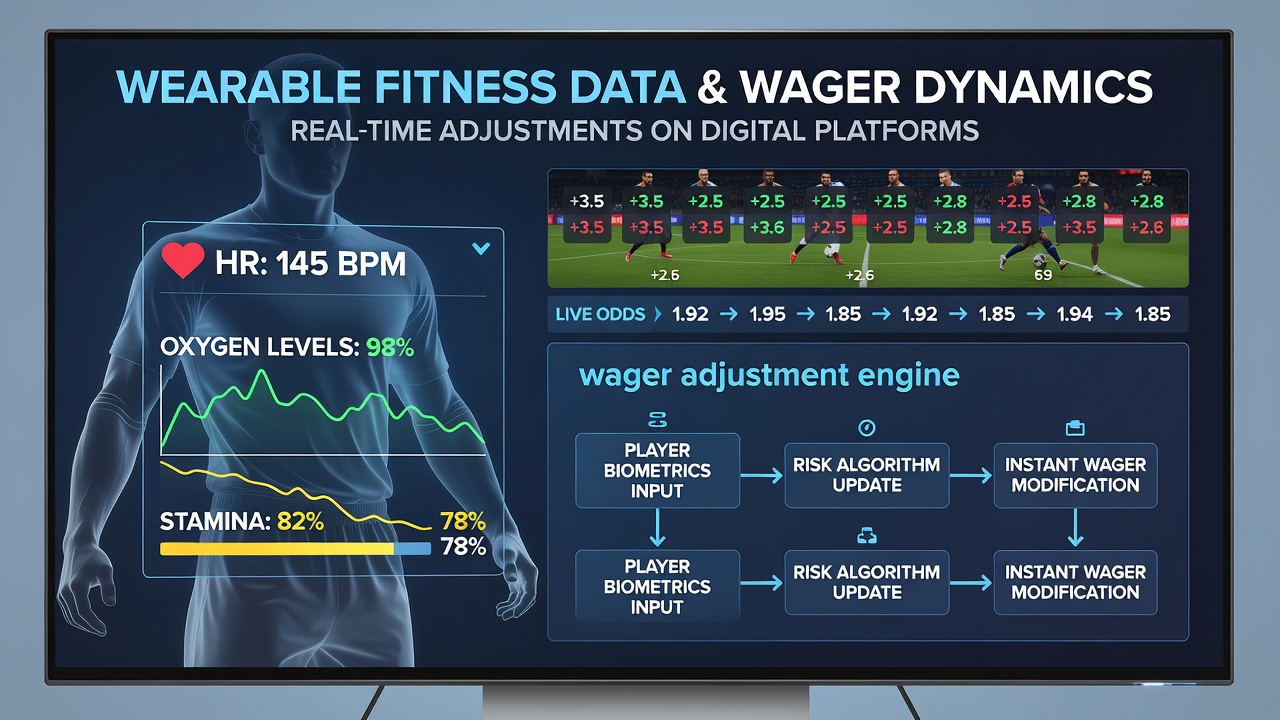
Professional football clubs have adopted wearable devices that track player metrics including heart rate variability, distance covered at high intensity, and acceleration patterns, and these systems now feed into digital betting platforms where algorithms recalibrate live odds within seconds of receiving fresh inputs. Data streams from devices such as GPS units and optical tracking sensors allow operators to adjust probabilities on player-specific markets like total distance run or expected goal contributions while matches unfold, and this process relies on partnerships between sports science providers and betting technology firms that process anonymized aggregates rather than individual identities.
Core Technologies Behind the Data Pipeline
Systems from companies like Catapult Sports and STATSports capture location and physiological readings at frequencies up to 10 hertz, after which encrypted feeds reach centralized servers that compare current outputs against historical benchmarks for each squad; when a midfielder registers elevated fatigue markers early in the second half, models lower projected involvement in attacking sequences and betting interfaces update corresponding lines on assists or progressive passes. Observers note that these adjustments occur faster than traditional scouting updates because the underlying datasets include thousands of prior matches segmented by position, temperature, and fixture congestion, creating baselines that algorithms refine continuously throughout teh ninety minutes plus stoppage time.
Platform Integration and Market Dynamics
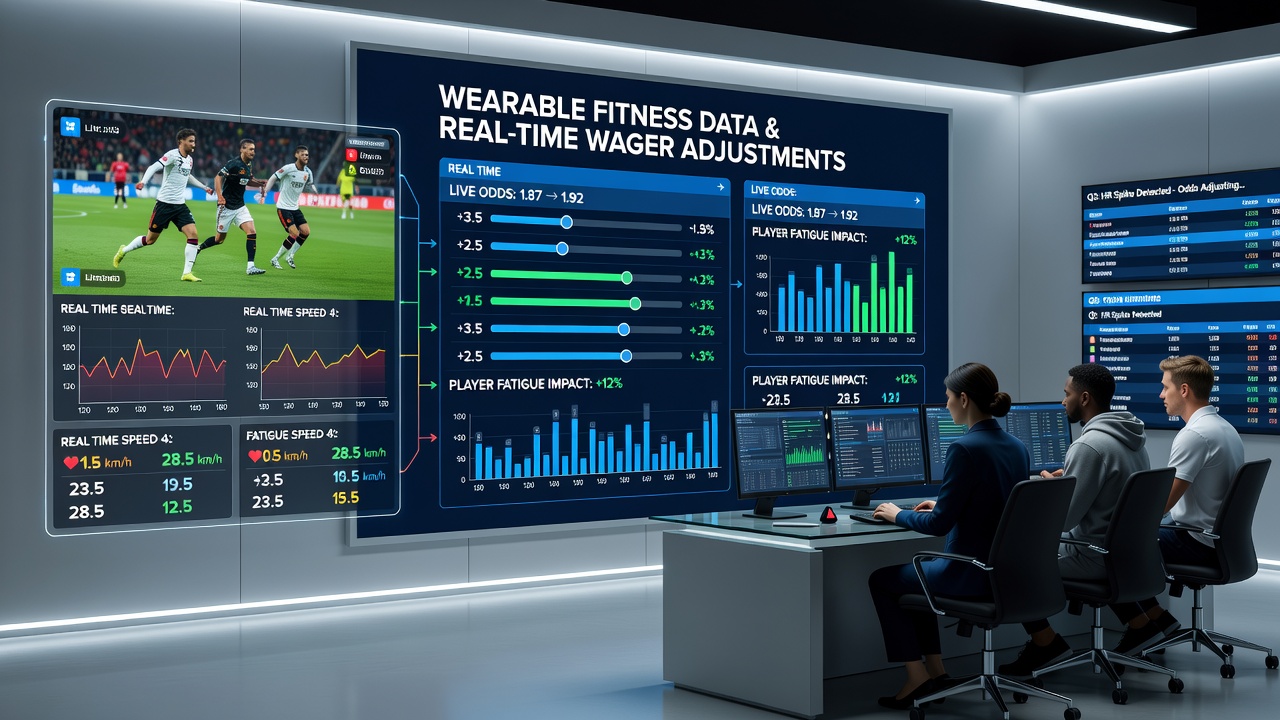
Digital operators connect to these data pipelines through application programming interfaces that receive sanitized performance indicators without breaching player privacy regulations, and the incoming values trigger recalculations across multiple wager categories such as team total sprints or individual recovery metrics during substitutions. Research published through the Australian Institute of Sport shows that GPS-derived workload scores correlate strongly with reduced high-speed running output in subsequent fixtures, giving platforms grounds to shift odds on player props when cumulative loads exceed seasonal averages. Because the information arrives in structured packets rather than raw video, bookmakers can apply machine learning layers that weigh recent trends against league-wide distributions, resulting in odds movements that reflect fatigue or recovery signals before they become visible to spectators in the stands.
Real-World Adjustments During Live Events
Take one Premier League encounter from the 2025-26 campaign where a striker's heart rate remained elevated above threshold levels for extended periods after a pressing sequence; within ninety seconds the associated betting markets adjusted implied probabilities on shots on target downward by several percentage points while elevating lines on defensive contributions from teammates. Such shifts demonstrate how granular inputs translate into wager recalibrations that account for tactical changes, substitution patterns, and environmental factors like pitch conditions that affect stride efficiency. Platforms maintain audit logs of each data-triggered revision so that regulators in multiple jurisdictions can verify compliance with transparency requirements, and this documentation also helps operators distinguish between statistically driven movements and those stemming from broader market sentiment.
Regional Regulatory Approaches and Data Standards
Authorities outside the United Kingdom have established frameworks that govern the use of performance data in commercial applications; Canadian provincial regulators require operators to document how external datasets influence pricing models, whereas Australian state commissions mandate independent audits of algorithmic fairness when third-party metrics enter the calculation chain. These rules emphasize that only aggregated, anonymized values may reach betting systems, and they prohibit direct linkage between wearable readings and identifiable player accounts to mitigate concerns around competitive integrity. Industry groups such as the Sports Tech Research Network have published guidelines recommending encryption standards and access controls that several major platforms adopted ahead of the expanded international calendar in 2026.
Emerging Patterns Ahead of June 2026
With the FIFA World Cup scheduled for June and July 2026 across North American venues, national federations have expanded wearable monitoring programs to manage player loads across club and international commitments; the resulting datasets are expected to increase the volume of real-time inputs available to licensed operators. Early testing in confederation tournaments has already shown that platforms incorporating these streams experience more frequent but smaller-magnitude odds revisions compared with matches lacking detailed biometric coverage. Those who have studied the intersection of sports science and wagering markets observe that the accuracy of fatigue predictions improves when models incorporate both acute and chronic workload ratios, allowing finer distinctions between temporary dips and sustained performance declines.
Conclusion
Wearable fitness data has become an established input for live football wagering adjustments on digital platforms because it supplies quantifiable indicators that algorithms translate into updated probabilities across player and team markets. The infrastructure linking club-level tracking systems to betting interfaces continues to evolve under regulatory oversight from multiple regions, and the approach of the 2026 World Cup will likely accelerate both data volume and standardization efforts. As these connections mature, the core mechanism remains consistent: performance metrics collected in real time inform dynamic recalibrations that reflect current physical states rather than static pre-match expectations.