Inside the Black Box: How Machine Learning Powers Instant Adjustments in Mobile Sports Wagering
Written by Petra Reed · Aug 4, 2026
Inside the Black Box: How Machine Learning Powers Instant Adjustments in Mobile Sports Wagering
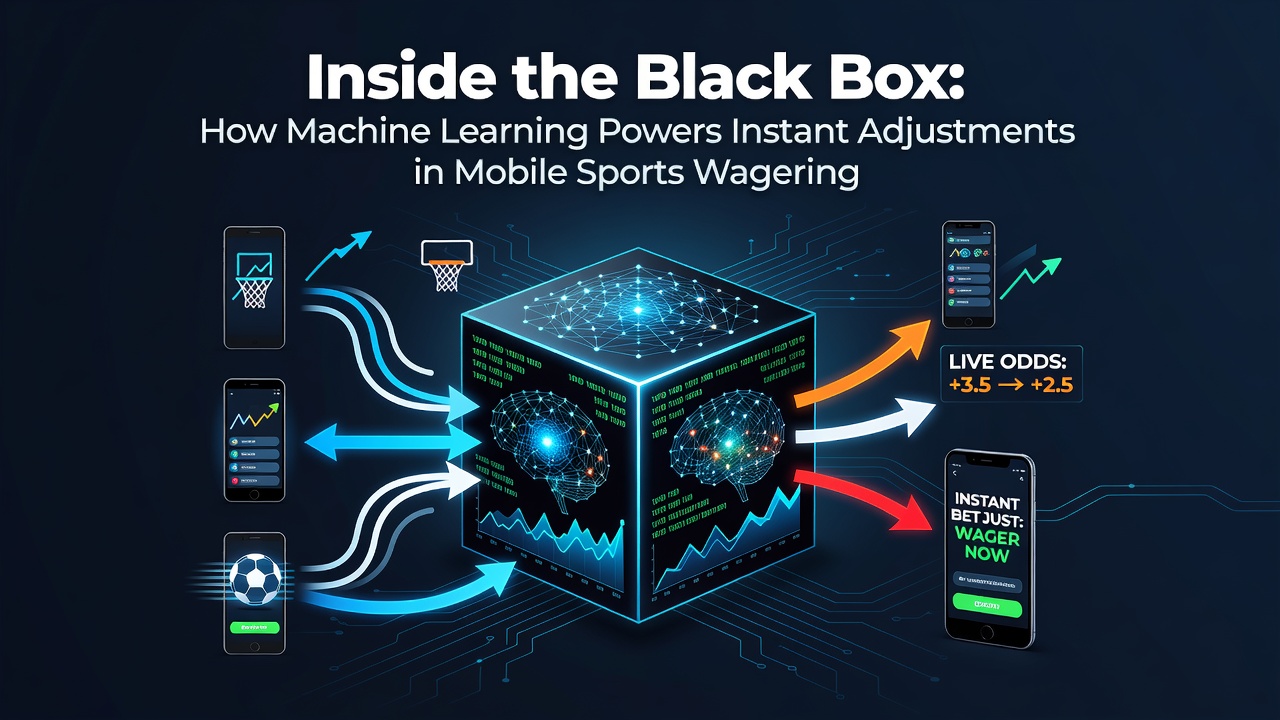
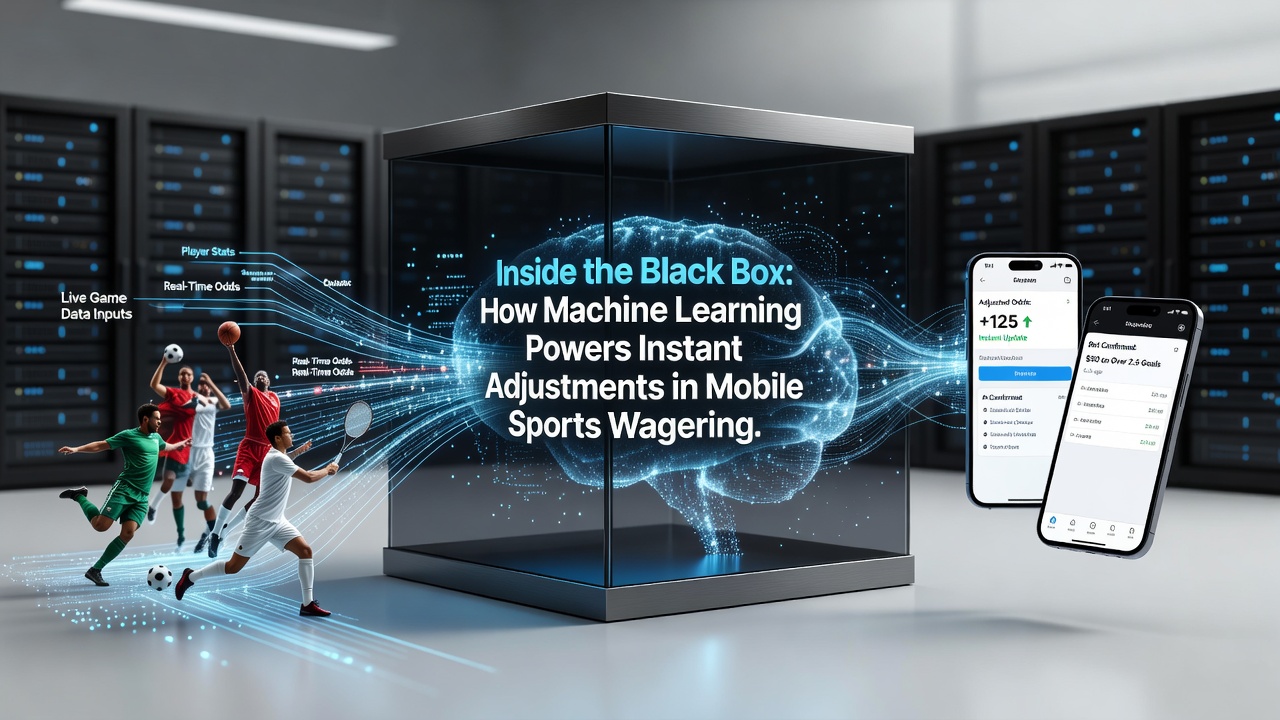
Modern mobile sports wagering platforms rely on machine learning systems that ingest vast streams of live event data, player statistics, and market variables to recalculate odds within milliseconds, and these adjustments occur continuously during matches across major leagues. Operators deploy neural networks and reinforcement learning models that detect shifts in game momentum, injury reports, and betting volume before human analysts could process the same inputs, while the core architecture processes structured data from sensors, video feeds, and external APIs simultaneously.
Core Components of Real-Time Prediction Engines
Systems begin with data ingestion layers that aggregate inputs from official league sources, wearable trackers, and weather services, after which gradient boosting frameworks and deep learning ensembles weigh each variable against historical patterns to generate probability distributions for every possible outcome. Researchers at institutions such as the University of Sydney have documented how recurrent neural networks maintain memory of sequential events within a match, enabling the model to update expected goals or points scored based on the last sequence of plays rather than static pre-match assumptions. Reinforcement learning agents then simulate thousands of potential future scenarios in parallel, refining the odds output each time new telemetry arrives from the field.
Handling High-Velocity Data Streams
During peak periods such as August 2026 when multiple football and tennis tournaments overlap, platforms handle millions of data points per minute, and models must filter noise from genuine signals like an unexpected substitution or a sudden change in serve percentage. Feature engineering pipelines normalize these inputs into consistent formats that the algorithms recognize, while anomaly detection modules flag outliers that could indicate data errors or unusual market activity. The result appears on user screens as shifting decimal or fractional odds that reflect the latest calculated probabilities, often before broadcasters announce the same development.
Integration with Mobile App Infrastructure
Edge computing nodes positioned near major data centers reduce latency so that the final odds calculation reaches the device in under 200 milliseconds, and this speed matters when bettors place wagers on next-point or next-goal markets that close rapidly. App developers embed lightweight inference engines that receive model updates from the cloud without requiring full retraining on the device itself, allowing the system to adapt to regional regulatory requirements while preserving core predictive accuracy. Observers note that these hybrid architectures combine centralized model training with distributed inference, which keeps the black box responsive even when network conditions fluctuate during live events.
Regulatory and Industry Data Sources
According to reports from the Nevada Gaming Control Board, machine learning adoption has expanded among operators licensed in that jurisdiction since 2023, and similar patterns appear in data released by the Australian Communications and Media Authority regarding online wagering platforms. Academic papers hosted on platforms such as arXiv further detail how ensemble methods reduce prediction error rates compared with earlier rule-based systems, yet the precise weighting of variables remains proprietary. Industry groups including the European Gaming and Betting Association have published summaries that track overall market growth without disclosing individual algorithm details, confirming that real-time adjustment capabilities now form a baseline expectation for competitive mobile offerings.
Security and Fairness Considerations
Operators run continuous monitoring on model outputs to detect drift that could produce biased odds, and independent auditors review the underlying training datasets for completeness across different leagues and seasons. When anomalies surface, teams retrain affected models using fresh data batches while preserving audit trails that satisfy oversight bodies. These processes operate alongside standard responsible gambling tools that pause or limit accounts when risk indicators trigger, ensuring the speed of machine learning adjustments does not outpace player protection mechanisms.
Future Trajectory of Algorithmic Wagering Systems
Developments in transformer architectures and federated learning promise further reductions in latency adn improvements in privacy-preserving training across multiple operators, while quantum-inspired optimization techniques are under evaluation for handling even larger combinatorial spaces during multi-event accumulators. Data from mid-2026 shows continued investment in these areas by platform providers seeking to maintain competitive edges in markets where live wagering volumes have grown steadily. Those monitoring the sector observe that the black box continues to evolve, driven by competition and the increasing availability of granular event data from sports organizations worldwide.
Conclusion
Machine learning now underpins the instantaneous odds movements that define mobile sports wagering, integrating live data pipelines, predictive models, and low-latency delivery systems into a cohesive operational framework. External sources such as regulatory filings and academic research confirm the scale of adoption, while technical implementations remain focused on accuracy, speed, and compliance. The technology continues to advance through incremental improvements in model efficiency and data integration, supporting the operational demands of global platforms during high-activity periods including August 2026.