Machine Learning Algorithms Transforming In-Play Football Betting on Mobile Platforms
Written by Petra Reed · Aug 11, 2026

Machine Learning Algorithms Transforming In-Play Football Betting on Mobile Platforms
Data processing speeds have accelerated dramatically since early 2025, allowing predictive models to incorporate live player tracking, weather variables, and historical performance metrics into wagering interfaces within seconds of each event on the pitch. Operators deploy these systems across mobile applications where users receive instant updates on probabilities for goals, corners, or player-specific actions during ongoing matches.
Core Components of Predictive Systems
Algorithms draw from multiple data streams including GPS player positions, ball tracking sensors, and team formation changes, then recalculate outcome likelihoods before each possession shift. Mobile platforms present these recalculations through simplified visual cues such as color-coded probability bars and swipe-to-bet buttons that adjust automatically as new inputs arrive. Research from the UNLV International Gaming Institute shows that integration of machine learning layers has reduced latency between data capture and odds refresh to under 800 milliseconds on major European leagues.
Models also factor in substitution patterns and fatigue indicators derived from heart-rate telemetry when available, creating layered forecasts that update continuously rather than at fixed intervals. Bettors on smartphones access these layered forecasts through expandable panels that display primary market shifts alongside secondary options like next-goal timing or card probabilities.
Mobile Interface Adaptations
Developers have redesigned navigation flows so that predictive outputs appear directly within the main betting screen instead of requiring separate tabs or pop-ups. Gesture controls allow users to lock in wagers based on projected momentum swings while the match continues, with confirmation screens that highlight the model's confidence interval next to the offered odds. As of August 2026, several operators reported that over 60 percent of in-game football volume now originates from mobile sessions where these dynamic interfaces operate.
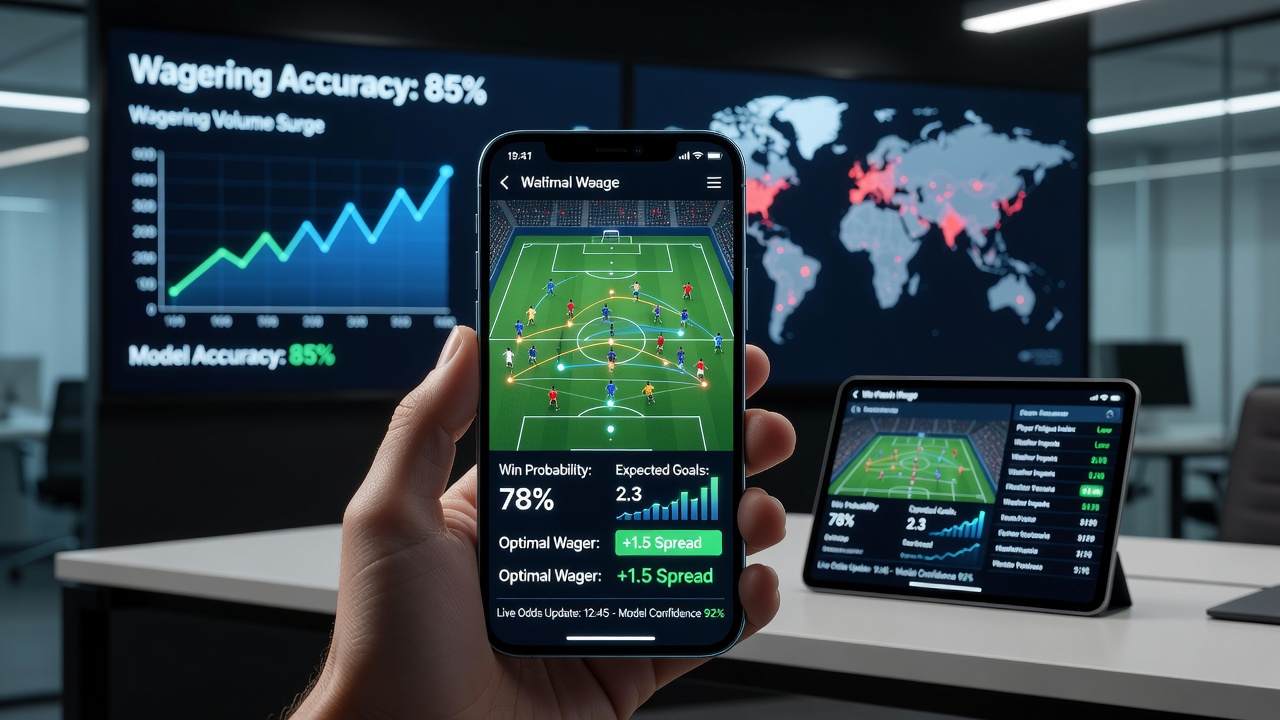
Push notifications triggered by threshold breaches in the models alert users to emerging value opportunities, such as when a team's expected goals metric diverges sharply from current scoreline odds. These alerts include brief context summaries generated automatically from the underlying variables rather than generic match reminders.
Impact on User Decision Patterns
Analysts observe that participants using model-enhanced mobile tools tend to place smaller, more frequent stakes across correlated markets instead of single large wagers on final outcomes. The systems surface hedging options automatically when one leg of an accumulator reaches a high-probability state, allowing users to adjust exposure mid-match without leaving the primary interface. Figures from industry reports indicate average session duration on these platforms has increased by roughly 18 percent compared with earlier static-odds versions.
Real-time simulations run locally on the device when network conditions permit, providing fallback probability estimates that sync with server-side calculations once connectivity stabilizes. This hybrid approach maintains continuity for users traveling or located in areas with variable signal strength during live fixtures.
Data Sources and Regulatory Context
Providers combine official league feeds with third-party sensor networks and proprietary historical databases to train the underlying models, refreshing weights monthly based on completed seasons. External audits verify that input data meets accuracy standards before models influence displayed odds, and some jurisdictions require disclosure of key variables used in live adjustments. A 2025 working paper from the Australian Gambling Research Centre documented how similar algorithmic frameworks altered bet distribution patterns across monitored football markets in that region.
Conclusion
Predictive models continue to integrate additional sensor inputs and refine weighting schemes as mobile hardware capabilities expand. Operators maintain ongoing calibration against actual match results to sustain model reliability across different leagues and playing conditions. The combination of faster processing, refined interfaces, and broader data access has established new operational baselines for in-game football wagering conducted through smartphone applications.