Pause Plea: Gambling Expert Urges Halt to UK Affordability Checks Amid Pilot Shortfalls and Horse Racing Woes
Written by Dana Carter · Apr 17, 2026

Pause Plea: Gambling Expert Urges Halt to UK Affordability Checks Amid Pilot Shortfalls and Horse Racing Woes
Dr James Noyes, senior fellow at the Social Market Foundation and a vocal advocate for measured gambling reforms, dropped a bombshell in April 2026; through an open letter addressed directly to Culture Secretary Lisa Nandy and copied to the UK Gambling Commission, he called for an immediate pause in rolling out controversial affordability checks, insisting that the pilot scheme testing these financial risk assessments must undergo full evaluation for transparency and effectiveness before any wider implementation.
That pilot, which kicked off back in September 2024, aims to spot gambling harm early by scrutinizing bettors' financial situations, yet as of April 2026, no final report has surfaced; concerns swirl around glaring inconsistencies in how operators apply the checks, alongside a disproportionate hammer blow to horse racing punters who form a backbone of UK betting activity.
The Man Behind the Letter: Dr James Noyes' Push for Smarter Reforms
Those familiar with the UK's gambling policy landscape know Dr James Noyes well; as a senior fellow at the Social Market Foundation—a think tank focused on evidence-based public policy—he's long championed reforms that balance player protection with industry viability, often highlighting how heavy-handed measures risk unintended fallout.
In this latest move, Noyes didn't mince words; his open letter, published amid rising tensions in April 2026, lays out a clear case, pointing to the pilot's lack of a comprehensive final report even after more than 18 months of operation, and warns that forging ahead without solid data could spell disaster for regulated betting while boosting illicit markets.
Experts who've tracked Noyes' work note his track record; he's consistently argued for pilots that deliver robust, transparent outcomes, and here, with the affordability checks trial still hanging in limbo, he sees a prime example of policy rushing ahead of evidence.
Unpacking the Pilot: Financial Risk Assessments in Action
The pilot scheme targets "financial risk assessments"—tools designed to flag bettors at risk of harm based on spending patterns and affordability metrics—rolled out across select operators since September 2024; operators must now prompt users for proof of funds when bets hit certain thresholds, a process meant to curb problem gambling but one that's sparked backlash for its clunky execution.
Data from early phases reveals patchy implementation; some bettors face hurdles proving income via bank statements or payslips, while others slip through due to varying operator interpretations, leading to what observers call a "postcode lottery" of checks even within the trial zones.
By April 2026, with no final report in sight despite the scheme's extended run, stakeholders question its readiness for nationwide rollout; Noyes emphasizes this gap, arguing that without peer-reviewed analysis on effectiveness—measuring reductions in harm versus disruptions caused—decision-makers gamble with public policy.
What's interesting here surfaces in the trial's scope; it zeroes in on online gambling segments, including sports like horse racing where punters often place frequent, lower-stake bets, yet the checks disproportionately snag this group due to cumulative thresholds that trigger sooner than for casual players.
Horse Racing Bears the Brunt: Disproportionate Impacts Emerge
Horse racing stands out as the hardest hit; punters loyal to the sport—who wager regularly on races, often in smaller amounts spread across cards—quickly bump up against affordability limits, forcing documentation requests that frustrate and deter continued play.
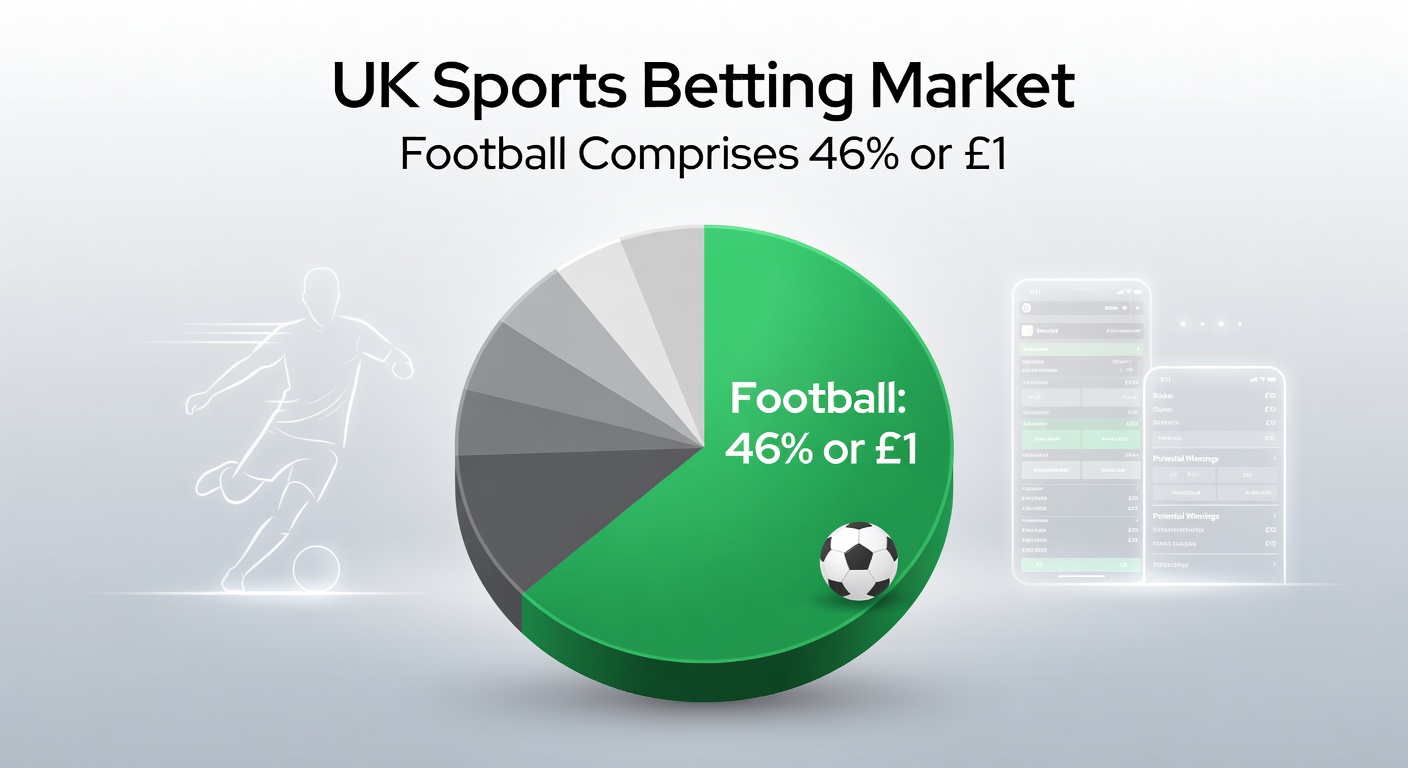
Figures indicate this group faces checks more often than football or other sports bettors; one analysis during the pilot showed horse racing enthusiasts triggering assessments at rates double those in high-volume single-event betting, a quirk tied to the sport's rhythm of multiple daily opportunities.
The industry's stakes couldn't be higher; levy income—funds funneled from bookmakers to support British racing—hinges on sustained betting volumes, and any dip threatens tracks, trainers, and prize money pots that keep the ecosystem alive.
Noyes hammers this point home; without pausing to evaluate how checks reshape punter behavior in racing markets, the sector risks a revenue cliff, as evidenced by early pilot data showing session abandonments spiking post-check prompts.
Black Market Shadows: The Risk of Pushing Punters Underground
Here's where it gets dicey; Noyes warns that overly burdensome checks could drive frustrated bettors straight to unregulated black market operators—who dodge affordability rules entirely—undermining the very protections the policy seeks to enforce.
Observers who've studied offshore gambling flows note the pattern; jurisdictions with strict ID or financial vetting often see upticks in peer-to-peer betting apps or crypto-based sites, where UK punters chase the frictionless experience they once had legally.
For horse racing specifically, this shift spells double trouble; not only does regulated revenue plummet, but black market wins evade the levy system, starving an industry already navigating post-pandemic recoveries and shifting consumer habits.
Take cases from prior crackdowns; when stake limits hit fixed-odds terminals years back, some data pointed to modest black market migrations, and Noyes argues the current pilot—lacking seamless alternatives—amplifies that threat exponentially.
Calls for Transparency: What a Proper Evaluation Entails
Noyes lays out specifics in his letter; a full pilot evaluation demands independent scrutiny of transparency metrics—like clear criteria for check triggers and appeals processes—plus effectiveness yardsticks, such as verified drops in gambling harm indicators versus bettor attrition rates.
Without these, he contends, the Gambling Commission risks endorsing a flawed model; the regulator, tasked with balancing consumer safety and market integrity, has yet to respond publicly as of April 2026, leaving the letter's pleas hanging amid ongoing consultations.
Stakeholders echo elements of this; racing bodies like the British Horseracing Authority have voiced similar worries in submissions, highlighting how pilot inconsistencies erode trust, while operators push for standardized tech to smooth implementations.
And yet, the ball's in the Commission's court now; Culture Secretary Lisa Nandy, overseeing DCMS policy, receives the letter at a pivotal juncture, with broader Gambling Act reviews looming that could reshape affordability rules for good.
Broader Context: April 2026 Snapshot of UK Gambling Tensions
In April 2026, this call lands amid heated debates; the pilot's limbo status coincides with quarterly betting turnover reports showing stable volumes overall, but subtle dips in racing segments that insiders link tentatively to check frictions.
People who've monitored commission updates note delays in pilot reporting stem partly from data aggregation challenges across diverse operators, yet Noyes insists that's no excuse for proceeding blindly.
Turns out, similar affordability pilots abroad—like in parts of Europe—faced their own teething issues; Sweden's version, for instance, required multiple tweaks post-trial before scaling, a precedent Noyes cites to bolster his pause plea.
So as racing's big spring festivals approach—think Cheltenham echoes and Royal Ascot prep—eyes fix on whether policymakers heed the warning, potentially averting a summer slump in trackside betting.
Conclusion
Dr James Noyes' open letter crystallizes a pivotal moment for UK gambling regulation; by urging a pause on affordability checks until the pilot yields transparent, effective data, he spotlights risks to horse racing's lifeline and the specter of black market gains.
With no final report months overdue and disproportionate impacts clear on racing punters, teh Gambling Commission faces pressure to evaluate thoroughly before expanding; stakeholders await responses from Lisa Nandy's desk, knowing the outcome could redefine how Britain tackles betting harm without kneecapping its sports.
The reality is straightforward—policy grounded in evidence endures, and as April 2026 unfolds, this story underscores why rushing reforms invites fallout that no one wants.